
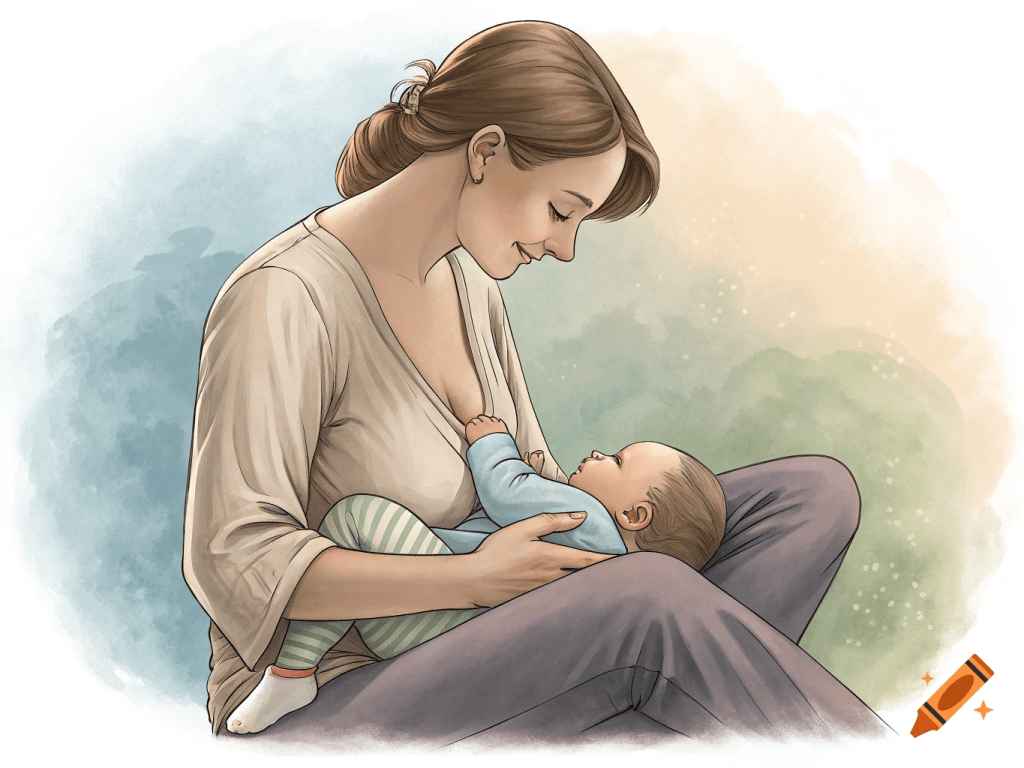
The United Nations Children’s Fund (UNICEF) has called on employers, health workers and families across Southwest Nigeria to create an enabling environment for mothers to breastfeed their babies, saying breastfeeding remains the foundation for a child’s healthy growth and development.
The Chief of UNICEF Field Office in Lagos, Celine Lafoucriere, made the appeal as the world commemorates World Breastfeeding Week, stressing that improving breastfeeding practices requires collective action beyond mothers alone.
In her statement made available to journalists through UNICEF’s Southwest Communications Officer, Blessing Ejiofor, Lafoucriere described breastmilk as “the first vaccine every baby receives,” noting that it protects infants against illnesses, promotes brain development and gives every child the best possible start in life at no financial cost.
“Breastmilk is the first vaccine every baby receives. It protects against sickness. It builds a stronger brain. It gives a child the best possible start in life. And it costs nothing,” she said.
While acknowledging that most Nigerian mothers breastfeed their babies, the UNICEF official expressed concern over poor adherence to recommended breastfeeding practices.
According to her, only one in three babies in Nigeria is put to the breast within the first hour after birth, while only three out of every 10 infants are exclusively breastfed for the first six months of life without water, infant formula or solid food.
“In Southwest Nigeria, with our hospitals, our markets and our busy working mothers, we can change that number,” she said.
Lafoucriere, however, stressed that mothers cannot achieve optimal breastfeeding practices without adequate support from employers, healthcare providers and family members.
She urged employers to provide nursing mothers with sufficient time and private spaces to breastfeed or express breastmilk, while calling on health workers to ensure newborns are breastfed within the first hour after delivery.
She also cautioned health workers to provide accurate information about infant feeding and not allow formula marketing to undermine breastfeeding.
The UNICEF field chief further appealed to husbands, grandparents, religious leaders and other family members to encourage rather than discourage breastfeeding mothers.
“A mother cannot do this alone. She needs a workplace that gives her time and space to breastfeed. She needs a health worker who tells her the truth about formula marketing. She needs her own mother, her husband, her mother-in-law, her pastor, her imam standing behind her, not questioning her,” she said.
Addressing breastfeeding mothers directly, Lafoucriere commended their dedication and reassured them of UNICEF’s continued support.
“To every mother feeding her child right now, alone in the quiet hours of the night, we see you. You are giving your child your first and best gift. UNICEF, her partners and your government stand with you,” she said.
The United Nations Children’s Fund (UNICEF) has called on employers, health workers and families across Southwest Nigeria to create an enabling environment for mothers to breastfeed their babies, saying breastfeeding remains the foundation for a child’s healthy growth and development.
The Chief of UNICEF Field Office in Lagos, Celine Lafoucriere, made the appeal as the world commemorates World Breastfeeding Week, stressing that improving breastfeeding practices requires collective action beyond mothers alone.
In her statement made available to The Hope through UNICEF’s Southwest Communications Officer, Blessing Ejiofor, Lafoucriere described breastmilk as “the first vaccine every baby receives,” noting that it protects infants against illnesses, promotes brain development and gives every child the best possible start in life at no financial cost.
“Breastmilk is the first vaccine every baby receives. It protects against sickness. It builds a stronger brain. It gives a child the best possible start in life. And it costs nothing,” she said.
While acknowledging that most Nigerian mothers breastfeed their babies, the UNICEF official expressed concern over poor adherence to recommended breastfeeding practices.
According to her, only one in three babies in Nigeria is put to the breast within the first hour after birth, while only three out of every 10 infants are exclusively breastfed for the first six months of life without water, infant formula or solid food.
“In Southwest Nigeria, with our hospitals, our markets and our busy working mothers, we can change that number,” she said.
Lafoucriere, however, stressed that mothers cannot achieve optimal breastfeeding practices without adequate support from employers, healthcare providers and family members.
She urged employers to provide nursing mothers with sufficient time and private spaces to breastfeed or express breastmilk, while calling on health workers to ensure newborns are breastfed within the first hour after delivery.
She also cautioned health workers to provide accurate information about infant feeding and not allow formula marketing to undermine breastfeeding.
The UNICEF field chief further appealed to husbands, grandparents, religious leaders and other family members to encourage rather than discourage breastfeeding mothers.
“A mother cannot do this alone. She needs a workplace that gives her time and space to breastfeed. She needs a health worker who tells her the truth about formula marketing. She needs her own mother, her husband, her mother-in-law, her pastor, her imam standing behind her, not questioning her,” she said.
Addressing breastfeeding mothers directly, Lafoucriere commended their dedication and reassured them of UNICEF’s continued support.
“To every mother feeding her child right now, alone in the quiet hours of the night, we see you. You are giving your child your first and best gift. UNICEF, her partners and your government stand with you,” she said.
The United Nations Children’s Fund (UNICEF) has called on employers, health workers and families across Southwest Nigeria to create an enabling environment for mothers to breastfeed their babies, saying breastfeeding remains the foundation for a child’s healthy growth and development.
The Chief of UNICEF Field Office in Lagos, Celine Lafoucriere, made the appeal as the world commemorates World Breastfeeding Week, stressing that improving breastfeeding practices requires collective action beyond mothers alone.
In her statement made available to The Hope through UNICEF’s Southwest Communications Officer, Blessing Ejiofor, Lafoucriere described breastmilk as “the first vaccine every baby receives,” noting that it protects infants against illnesses, promotes brain development and gives every child the best possible start in life at no financial cost.
“Breastmilk is the first vaccine every baby receives. It protects against sickness. It builds a stronger brain. It gives a child the best possible start in life. And it costs nothing,” she said.
While acknowledging that most Nigerian mothers breastfeed their babies, the UNICEF official expressed concern over poor adherence to recommended breastfeeding practices.
According to her, only one in three babies in Nigeria is put to the breast within the first hour after birth, while only three out of every 10 infants are exclusively breastfed for the first six months of life without water, infant formula or solid food.
“In Southwest Nigeria, with our hospitals, our markets and our busy working mothers, we can change that number,” she said.
Lafoucriere, however, stressed that mothers cannot achieve optimal breastfeeding practices without adequate support from employers, healthcare providers and family members.
She urged employers to provide nursing mothers with sufficient time and private spaces to breastfeed or express breastmilk, while calling on health workers to ensure newborns are breastfed within the first hour after delivery.
She also cautioned health workers to provide accurate information about infant feeding and not allow formula marketing to undermine breastfeeding.
The UNICEF field chief further appealed to husbands, grandparents, religious leaders and other family members to encourage rather than discourage breastfeeding mothers.
“A mother cannot do this alone. She needs a workplace that gives her time and space to breastfeed. She needs a health worker who tells her the truth about formula marketing. She needs her own mother, her husband, her mother-in-law, her pastor, her imam standing behind her, not questioning her,” she said.
Addressing breastfeeding mothers directly, Lafoucriere commended their dedication and reassured them of UNICEF’s continued support.
“To every mother feeding her child right now, alone in the quiet hours of the night, we see you. You are giving your child your first and best gift. UNICEF, her partners and your government stand with you,” she said.
 ..all about information services
Leave a Reply