
The rate at which teenagers in our society are being exposed to sexual abuse and harassments of different kinds with cause effects that pose life-long threats to their health, calls for urgent intervention from all stakeholders.
Early exposure to sexual intercourse among the Adolescents and Young People (AYPs), teenage pregnancies, sexual abuse (by close relatives, self-acclaimed deliverance clerics and teachers); the increasing rates of sexually transmitted diseases, like HIV among the youths, unsafe abortions; amongst others, have been attributed to lack of access to adequate and essential informations about Sexual and Reproductive Health, SRH, for AYPs in developing countries like Nigeria.
To provide the AYPs with access to essential sexual and reproductive health information, there’s a need for concerted efforts and commitment from individuals and stakeholders (Government, media, CSOs, religious leaders, parents/guardians, traditional rulers and school authorities) to secure our future, as it was said that, “Healthy Youth is Healthy Future”.
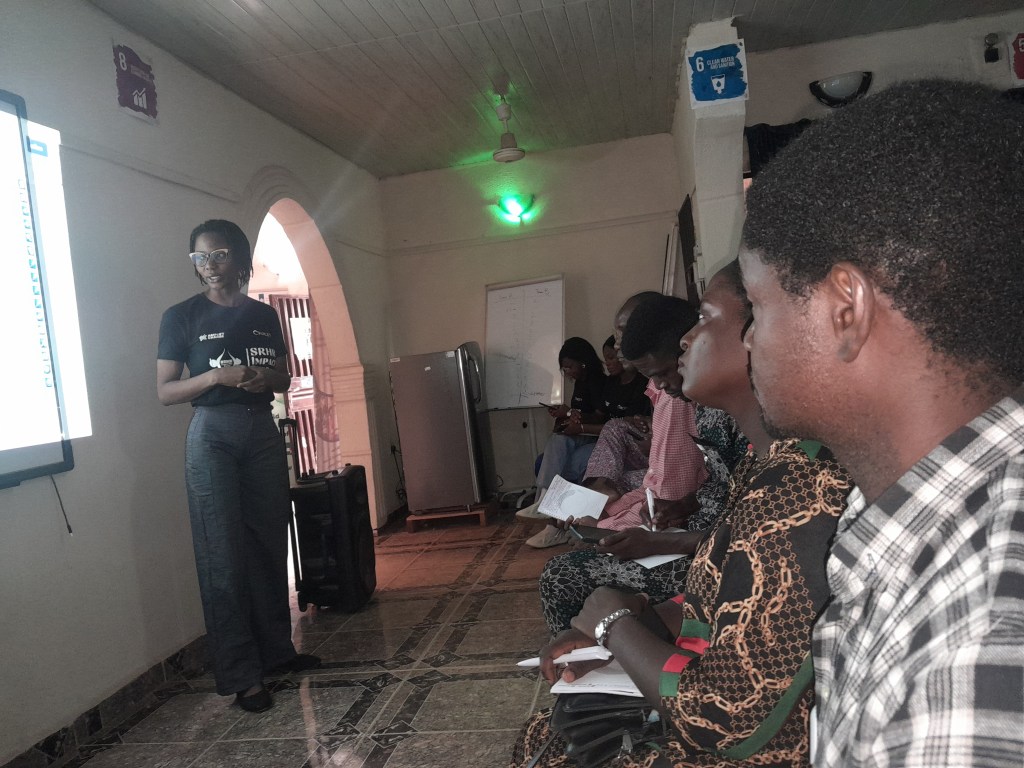
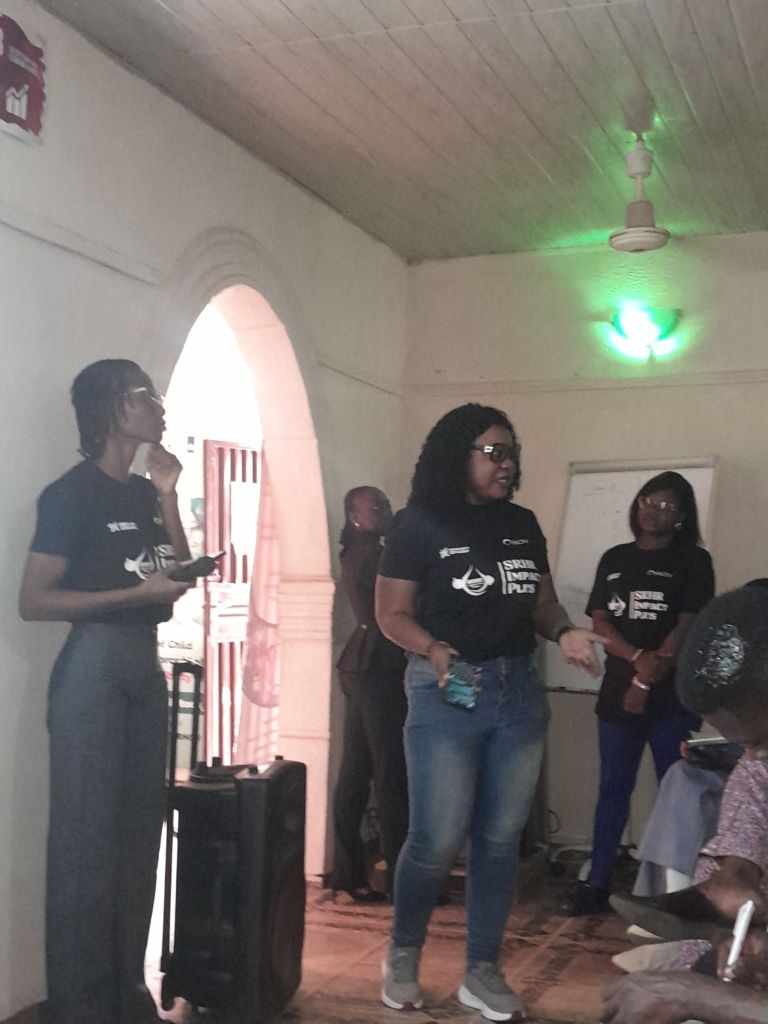
To this end, a non-governmental organisation, Hacey Health Initiative held a roundtable discussions with Civil Societies, non-governmental organisations, government representatives and the media Organisations aimed at empowering participants with the needed resources and skills to take the SRH advocacy to the nooks and crannies of Ondo state.
Hacey Health’s intervention is being executed under the Sexual and Reproductive Health and Rights, SRHR Impact Plus Project, covering five Southwestern States of Nigeria.
Speaking on the goals of the project, the Executive Director of Hacey Health Initiative, Rhoda Robinson hinted that the target of the SRHR Impact Plus Project was to ensure that the disadvantaged groups in Nigeria, AYPs in particular, benefit health and economic empowerment rights.
She emphasised the need for collaboration with stakeholders to build and sustain movement that’s geared towards delivering the SRHR promise for AYPs, hence, the importance of the roundtable discussion.
“Sexual and Reproductive Health issues pose a significant challenge for vulnerable adolescents and young people (AYPs), in developing countries, particularly in Sub-saharan Africa. Two-thirds of illnesses among women of Reproductive age in this region are attributed to SHR problems.
“A staggering 4.3 billion people lack essential SHR services, with over 200million women in developing countries lacking access to modern contraception.
“Vulnerable AYPs in our project communities due to the lack of access to essential Sexual and Reproductive Health (SRH) information and resources are predisposed to challenges such as unintended pregnancies, inadequate antenatal care, unsafe abortions, sexually transmitted infections, HIV, and cervical cancer”. The Hacey Health explains.
Due to the enormous risks which lack of access or limited access to SRH information subjected the AYPs to, the Hacey Health Initiative in collaboration with the five states’ Ministries of Health set out to strengthen a network of 150 CSOs with tools, skills, and resources for effective SRHR interventions across Ekiti, Osun, Oyo, Lagos, and Ondo.
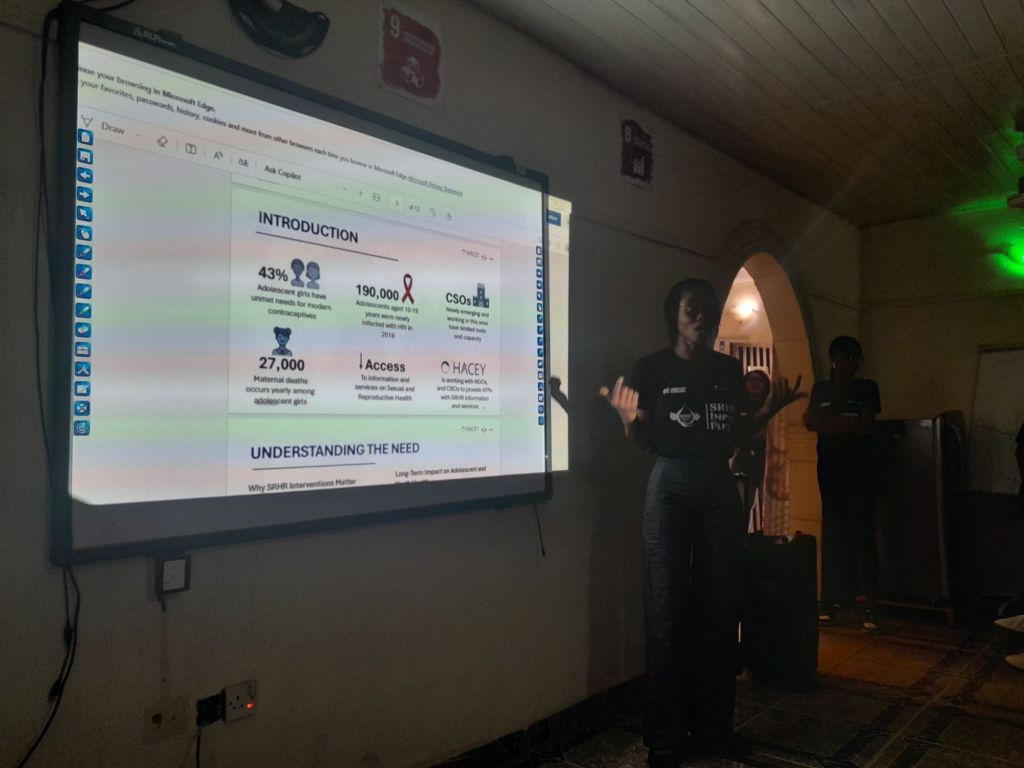
While giving the project overview at the stakeholders’ roundtable discussion, held at Kids&Teens resource Centre Akure, the programme manager of Hacey Health Initiative, Olumuyiwa Olubukunmi, identified the target audiences for the project to include; 150 CSOs/CBOs/NGOs, and
1000 Youth Amplify champions in tertiary institutions, 5,000 Adolescent and Young Persons, and 100,000 general public across Nigeria.
She highlighted the targeted issues that need intervention to include high rates of early pregnancies among adolescents, increasing HIV infections among adolescents and young people, limited access to SRH information and services, unhealthy sexual behaviors and gender norms.
To ensure effective implementation of the SRHR Impact Plus Project, the Hacey Health Initiative’s programme manager analysed the roles of stakeholders involved. They are government Officials with the responsibility to provide policy support and guidance for SRHR initiatives, implement and enforce laws and regulations related to SRHR, and collaborate with other stakeholders to address SRHR challenges effectively.
The CBOS/NGOS are to implement SRHR programs and initiatives at the grassroots level by providing direct services, such as counselling, education, and healthcare related to SRHR.
They are to mobilize community resources and support for SRHR interventions by advocating policy changes and raising awareness about SRHR issues.
Furthermore, the Community and Religious leaders are to act as advocates and influencers within their communities, promoting SRHR awareness and acceptance, provide moral and ethical guidance on SRHR issues; facilitate community engagement and participation in SRHR programs and activities, and foster dialogue and collaboration between different community groups to address SRHR needs comprehensively.
The Youth networks are saddled with the responsibility to organize youth-led initiatives and campaigns to promote SRHR awareness and education, engage peers and communities in discussions about SRHR rights and responsibilities, and advocate for youth-friendly SRHR services and policies that address the needs of adolescents and young people.
Strategies to employ are: advocacy visit to key decision-makers and policymakers to secure their commitment, and create an enabling environment for robust SRHR interventions.
Others are capacity building workshops for implementing partners and stakeholders, community engagement, and media campaigns by investing in cutting-edge digital tools and building a media room to create impactful digital content for AYP SRHR advocacy.
The successful implementation of the project is expected to yield some expected outcomes including Long-Term Impact on Adolescent and Youth Health, improved reproductive health outcomes, reduced rates of unintended pregnancies and STIs, enhanced mental and emotional well-being amongst others.
The interactive session which had in attendance, representatives of media Organisations, civil society organisations, Ministry of Health, Ministry of Youths and sports, NGOs; concluded that in order to achieve the goals of the SRHR Project, parents/guardians, traditional and religious leaders and schools authorities had major roles to play, being the closest to the target audience.


Leave a Reply