

A Professor of Fisheries and Aquaculture, Dominic Odedeyi, has claimed that Nigeria could save over one billion dollars annually from fish importation and significantly boost its economy if the nation’s fisheries resources are properly maximised.
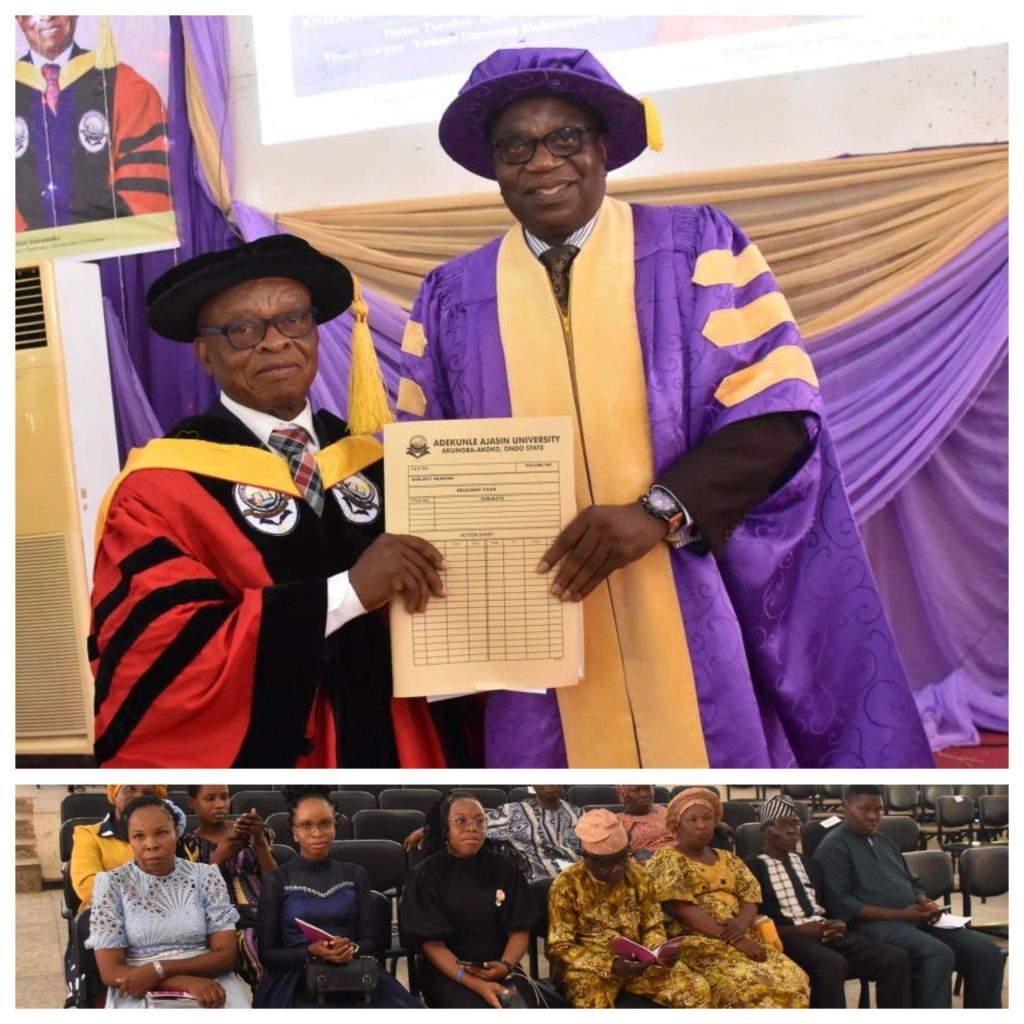
He made this declaration on Tuesday, April 7, 2026, while delivering the 58th Inaugural Lecture of Adekunle Ajasin University, Akungba Akoko, Ondo State. The lecture, titled “From Creation to Cultivation: Enhancing Fish Biology for Humanity”, was held at the University’s Multipurpose Hall.
Prof. Odedeyi stressed the importance of enhancing fish biology through sustainable fisheries – an approach that focuses on meeting the demand for fish among Nigeria’s present population without compromising the ability of future generations to meet their own needs. He noted that this strategy could create employment, increase foreign exchange earnings, improve the living standards of Nigerians, and help restore endangered fish species.
He observed that Nigeria is abundantly blessed with both fresh and saltwater fishery resources, which makes fisheries a potentially important sector in the nation’s economic growth. Nine of the 36 states of the federation are coastal states, each having a shoreline on the Atlantic Ocean.
In a developing economy like Nigeria, where aquaculture is also fast developing, he continued, placing priority on the breeding of cultured fish species is a move in the right direction. For the sustainability of fisheries, the biology of such species in the wild should be understood in order to replicate that environment in captivity.
Highlighting the impact of an imbalanced demand-supply chain, the fisheries expert said: As important as fish are to millions of people in Africa, it is becoming one of the most expensive food items on the continent due to challenges related to overfishing, aquatic degradation, and poor aquaculture practices.
He further reported that Nigeria, with an estimated population of 224 million people, produces around 1.2 million metric tonnes of fish annually – 90% of which is consumed domestically. This situation, he explained, has resulted in nearly 60% of households experiencing food insecurity.
Prof. Odedeyi blamed overfishing, pollution, habitat degradation, poor enforcement of inland fisheries laws and regulations, climate change, lack of infrastructure, lack of data on potentially cultivable indigenous fish species, and population growth for the deterioration of the country’s fisheries resources and its increasing reliance on fish importation.
In light of this, he recommended that the government invest in research on indigenous fish species with aquaculture potential, to complement the production of African catfish. He noted that the future of aquaculture and fish production in Nigeria lies in identifying more indigenous species with culture potential. He also urged the government to strengthen fisheries extension and sensitisation programmes to facilitate interaction between researchers and fish farmers.
The aquaculture scholar further advised fish farmers in Nigeria to consider including a variety of indigenous fish that are potentially cultivable, rather than focusing solely on the popular African catfish.
According to him, there is a need to increase human resources and technology in fisheries and aquaculture in order to obtain optimum and sustainable yields. People should also ensure that efforts are geared towards reducing the impacts of effluent discharge into aquatic habitats.
Prof. Odedeyi also warned that a study had revealed a high concentration of metals in fish samples collected from some rivers in Ondo State, posing significant carcinogenic and non-carcinogenic risks to the public and to fishers. He therefore appealed to the government to enforce strict regulations on the pollution of aquatic habitats and on the use of obnoxious fishing methods in Nigerian water bodies.

Earlier, while introducing the inaugural lecturer, the Vice Chancellor and Chairman of the occasion, Prof. Olugbenga Ige, underscored the importance of inaugural lectures, describing them as platforms for scholars to share findings from years of research with both the academic community and the wider public.
He commended Prof. Odedeyi for focusing on practical outcomes that improve protein supply, empower local fish farmers, create jobs, and strengthen food security for future generations.
 ..all about information services
Leave a Reply