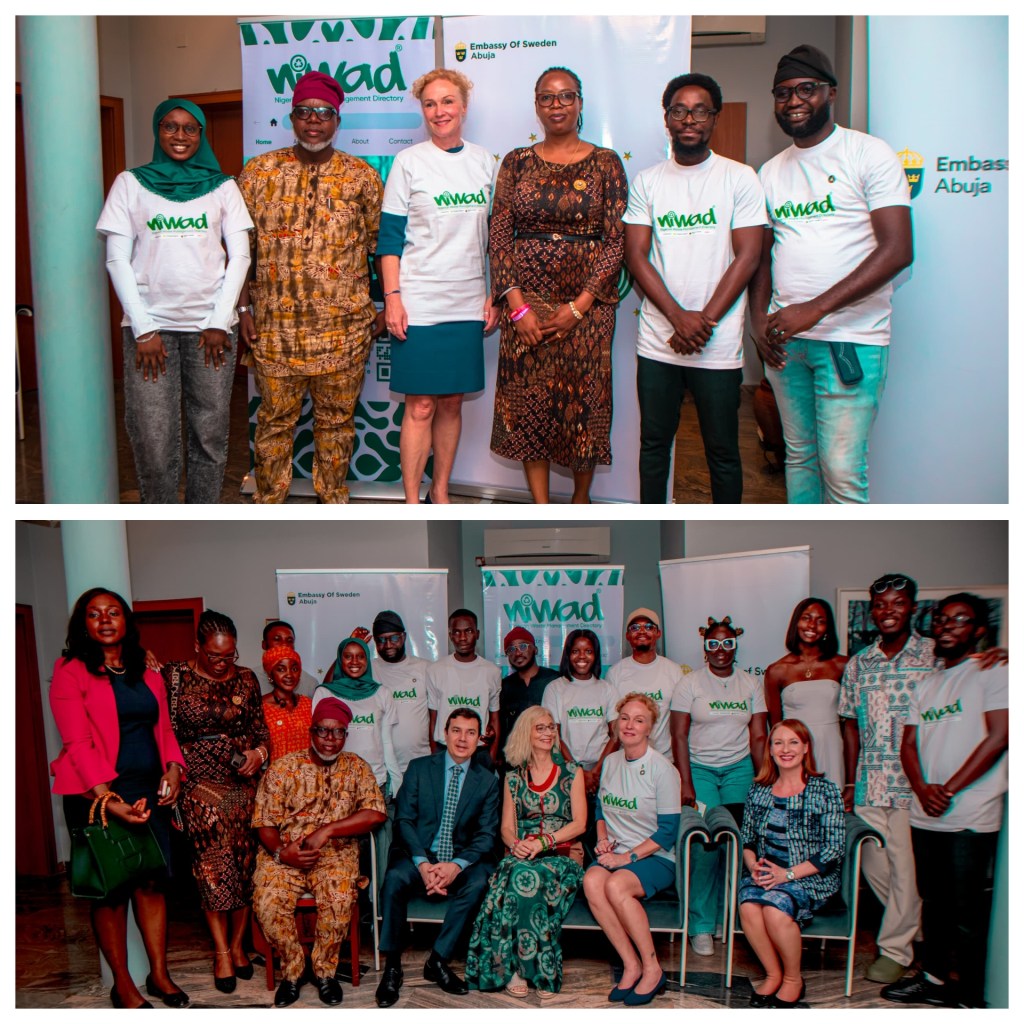
Nigeria’s waste management landscape underwent a significant transformation on March 30, 2026, with the official launch of the Nigerian Waste Management Directory (NIWAD).
The event, held at the Swedish Embassy Residence on the 30th of March 2026, to coincide with the International Day of Zero Waste, brought together a high-level assembly of ambassadors, government representatives, and industry experts.
The platform is very simply described as “your one-stop shop to connect with recycling, upcycling, and waste management service providers in Nigeria.”
The Swedish Ambassador, Anna Westerholm opened the proceedings by commending Plogging Nigeria for their initiative and dedication to bringing the vital project to life.
Anna Westerholm described NIWAD as an “important milestone” in Nigeria’s development and lauded the platform as an avenue to “strengthen transparency, support better decision making, and unlock the economic potentials of circular economy in Nigeria.”
She concluded by commending the leadership of Plogging Nigeria for the Nigerian-led, youth-driven solution, and reaffirmed Sweden’s commitment to continued support for sustainability and collaboration with the organization.
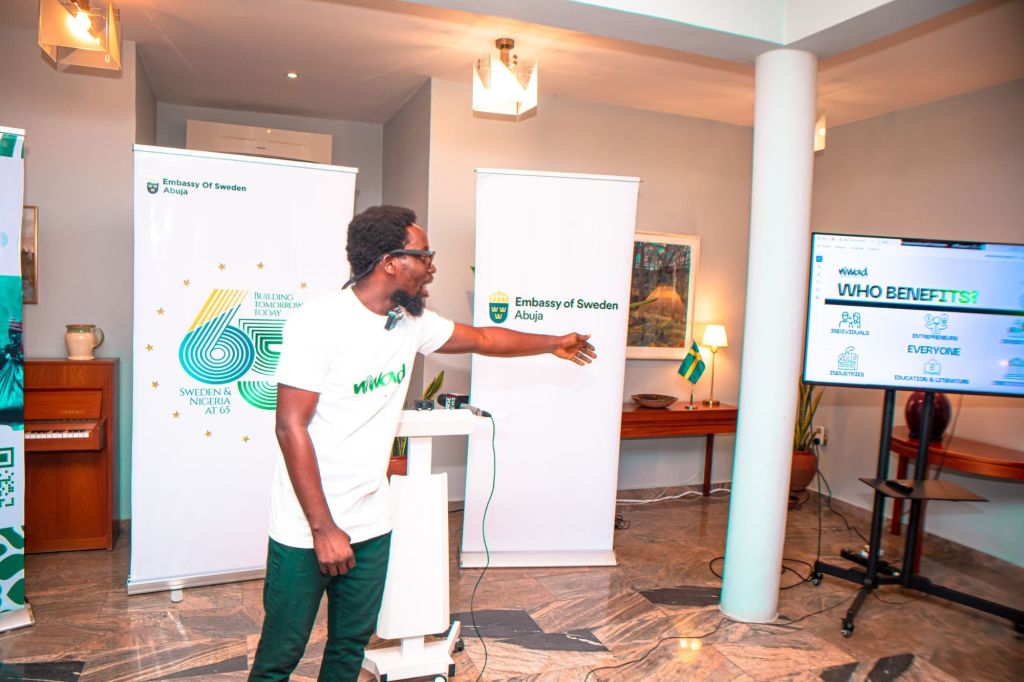
Following an introduction to Plogging Nigeria’s mission by Operations Director Ramat Jadesola Owolabi, the organisation’s Executive Director, Mayokun Iyaomolere, unveiled the NIWAD platform and demonstrated its functionality as a centralised digital resource for connecting Nigerians with recycling, upcycling and waste management services across the country.
During a technical panel session, experts emphasised the platform’s role in bridging critical data gaps in the waste management sector, with Atiku Abubakar Abdullah, the Acting Director, Solid Waste Management of the Abuja Environmental Protection Board, describing NIWAD as a definitive problem solver for Nigerians and recyclers that allows for better tracking of sector activities.
Cajetan Okeke, secretary of the Recyclers Association of Nigeria, noted hat NIWAD provides an essential framework for addressing climate change challenges through waste management.
Daniel Oladoja of the Global Strategic Communications Council further underscored the importance of storytelling and effective communication in building resilience within the waste value chain.
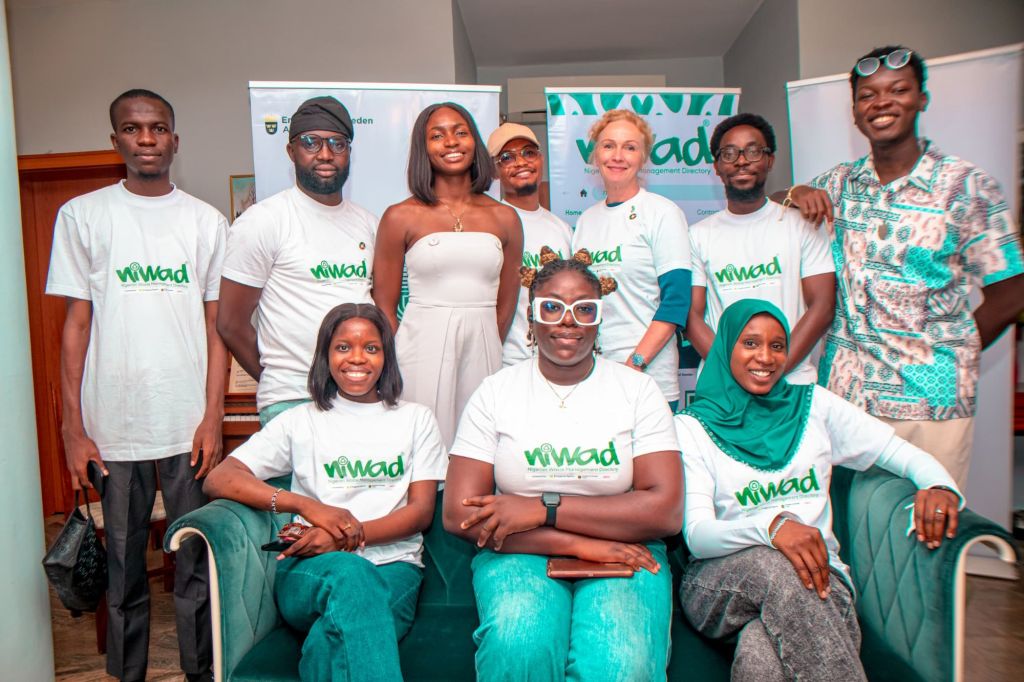
Looking toward future expansion, Ayodeji Omilabu, the Administrative Director at Plogging Nigeria, presented the roadmap for NIWAD 2.0, calling for strategic support to meet a $50,000 funding target intended to scale data collection and provide comprehensive waste sector insights.
The initiative received international praise from the Ambassador of Finland and Norway who noted that NIWAD provides essential clarity on the viability and activity of recycling in Nigeria.
NIWAD 1.0 is a free, searchable online directory that enables citizens, businesses, and institutions to easily find verified recycling, upcycling, and waste management service providers based on location and specialization. The platform addresses a longstanding gap in access to reliable information and poor connectivity between Nigerians and waste service providers.
NIWAD 1.0 is now live and will be updated on a rolling basis, with stakeholders encouraged to contribute data and support its continued growth.
This milestone marks a collaborative step forward in Nigeria’s journey toward a sustainable circular economy.
 ..all about information services
Leave a Reply