..urges State Governments in Nigeria to adopt Citywide Inclusive Sanitation
By Mary Agidi
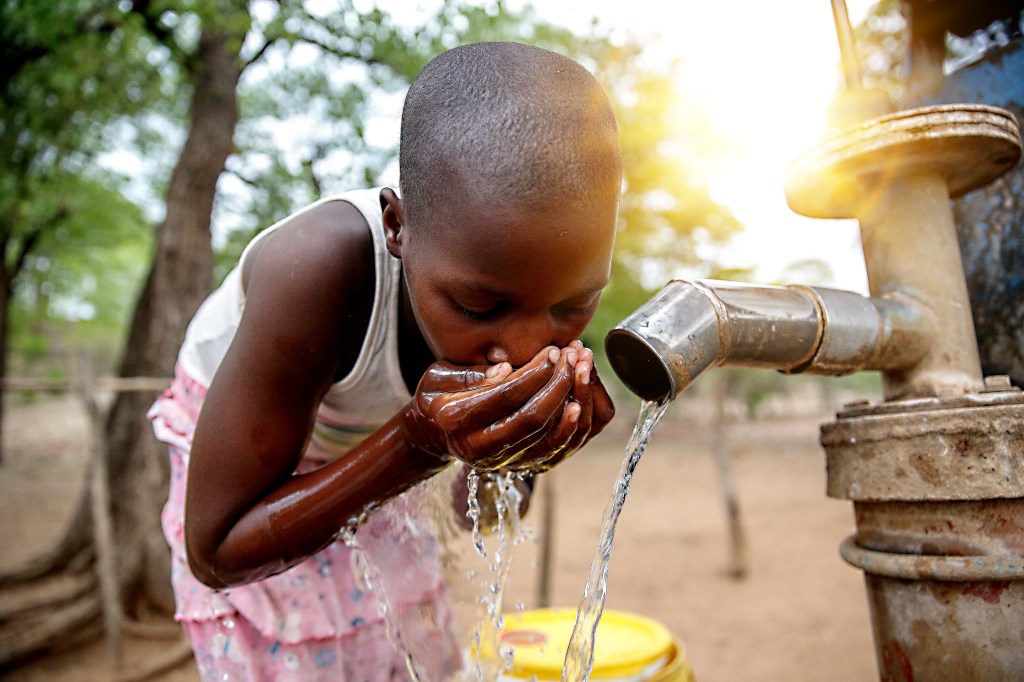
State governments, particularly in Southwest Nigeria, have been urged to approve and update the draft Water, Sanitation and Hygiene (WASH) policy, fund full-chain urban sanitation service models, and adopt the Citywide Inclusive Sanitation (CWIS) approach.
This formed part of the recommendations at a two-day media dialogue on “Accelerating Actions to Improve Urban Water, Sanitation and Hygiene in Nigeria,” organized by the Oyo State Ministry of Information with the support of the United Nations Children’s Fund (UNICEF).
There was also a call for the provision of designated dumpsites for evacuated faeces to prevent water contamination, and for increased availability of sanitation facilities in public places.
Speaking during the dialogue, UNICEF WASH Specialist in the Lagos Office, Monday Johnson, emphasized the need for states to have a clear WASH policy to attract external support.
“WASH policy is key in ensuring there is an enabling environment for anyone interested in WASH to come in. If there’s no WASH policy, external funders don’t know what is in there for them. But once there is a policy that is favourable to them, it can attract external agencies to support in achieving the sanitation needs of that state,” he said.
In his presentation titled “Urban Sanitation Crisis: Current Situation in Nigeria,” Johnson highlighted the importance of private sector partnerships in WASH services such as faeces collection, transportation, disposal, and reuse.
“All these are income-generating avenues for the private sector. Most private sector players do not know that there are funds available in sanitation. If we expose them to this, they can plan how to tap into these funds for construction, transportation, disposal, and reuse of sanitation products,” he added.
Highlighting the benefits of adopting Citywide Inclusive Sanitation (CWIS), Johnson said it ensures access to sanitation for all, regardless of geographical location, social, or financial status.
He noted that CWIS, considered the best approach to achieving effective WASH services, would help safeguard the environment, protect public health, promote gender equity and dignity, enhance economic growth and urban resilience, strengthen governance and accountability, and support the achievement of Sustainable Development Goal 6 (SDG 6).
He urged governments, especially those in the Southwest, to establish dedicated urban sanitation coordination units under their Ministries of Environment or Urban Planning. According to him, such units would help institutionalize budgeting and regular fund releases through relevant MDAs for urban sanitation.
Analyzing the level of WASH services in Oyo State, Johnson disclosed that only Lagos and Ekiti States currently have approved WASH policies in the Southwest, while Oyo State’s draft policy is still awaiting government approval.
According to him, over 1.5 million households in Oyo State still require safely managed sanitation services, with about 50 percent of them living in urban areas. He revealed that out of the 1,875 metric tons of excreta produced in the state daily, only 3 percent is captured, emptied, and safely disposed of.
Johnson identified rapid urbanization as a major challenge, noting that it has outpaced the expansion of sanitation infrastructure in many states. He added that overcrowded urban slums with inadequate containment systems and poor access to sanitation services have worsened open defecation and environmental health risks.
Calling for urgent action to improve urban WASH service delivery, the UNICEF specialist noted that, based on the Joint Monitoring Programme (JMP) definitions, the overall status of the WASH sector in Nigeria remains low, with only 10 percent of the population having access to complete basic services.
Earlier, the representative of the Oyo State Rural Water and Sanitation Agency (RUWASA), Adegoke Ayodele, said the state had recorded significant progress in WASH service delivery compared to five years ago.
Also speaking, UNICEF Communications Officer, Blessing Ejiofor, reiterated that access to safe water, adequate sanitation, and good hygiene is a fundamental human right, particularly for women and children.
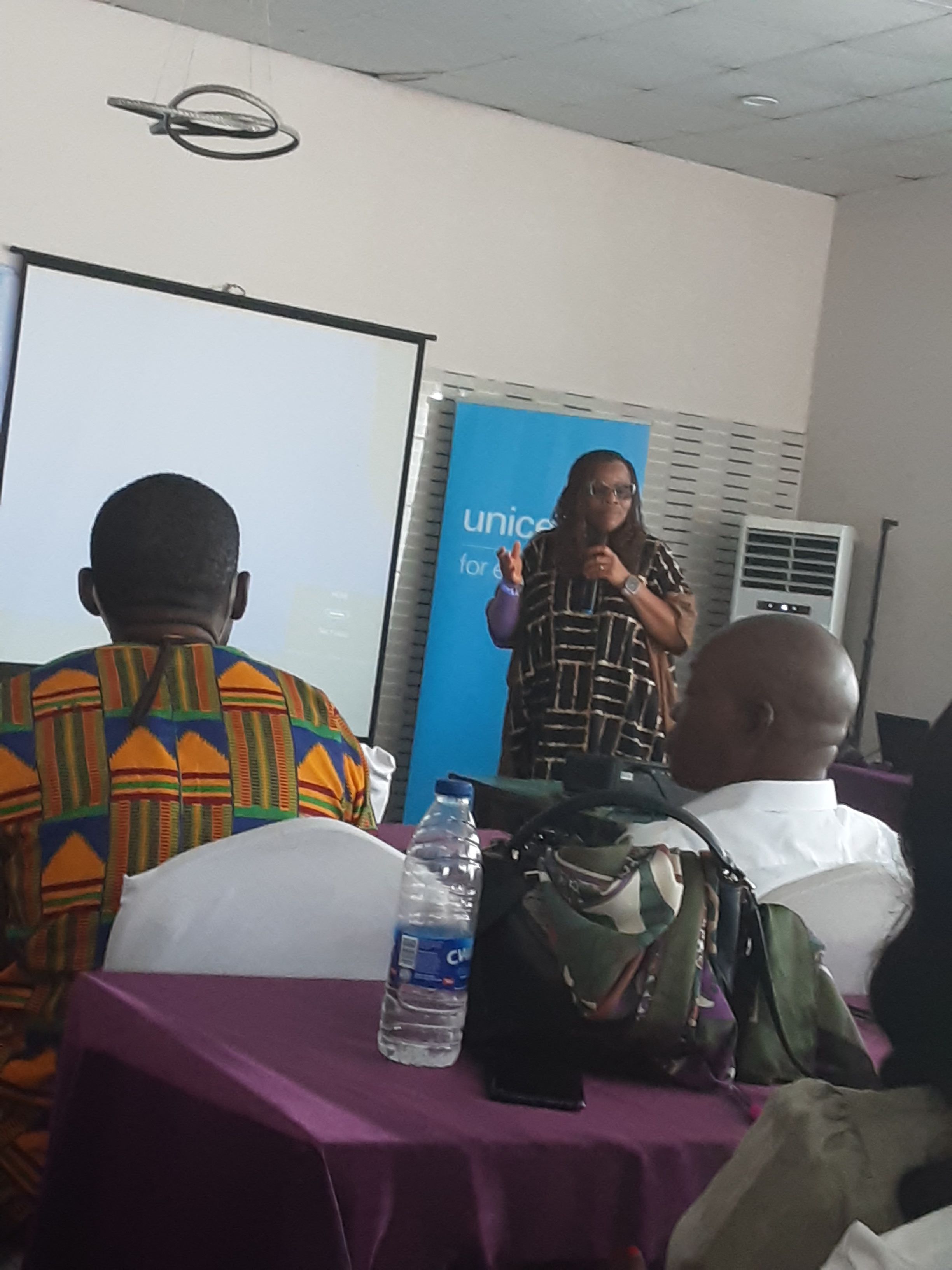
She emphasized the need for journalists to use their knowlegde and platforms to advocate for the realisation of this right and to accelerate actions to improve urban WASH in Nigeria.
 ..all about information services
Leave a Reply