
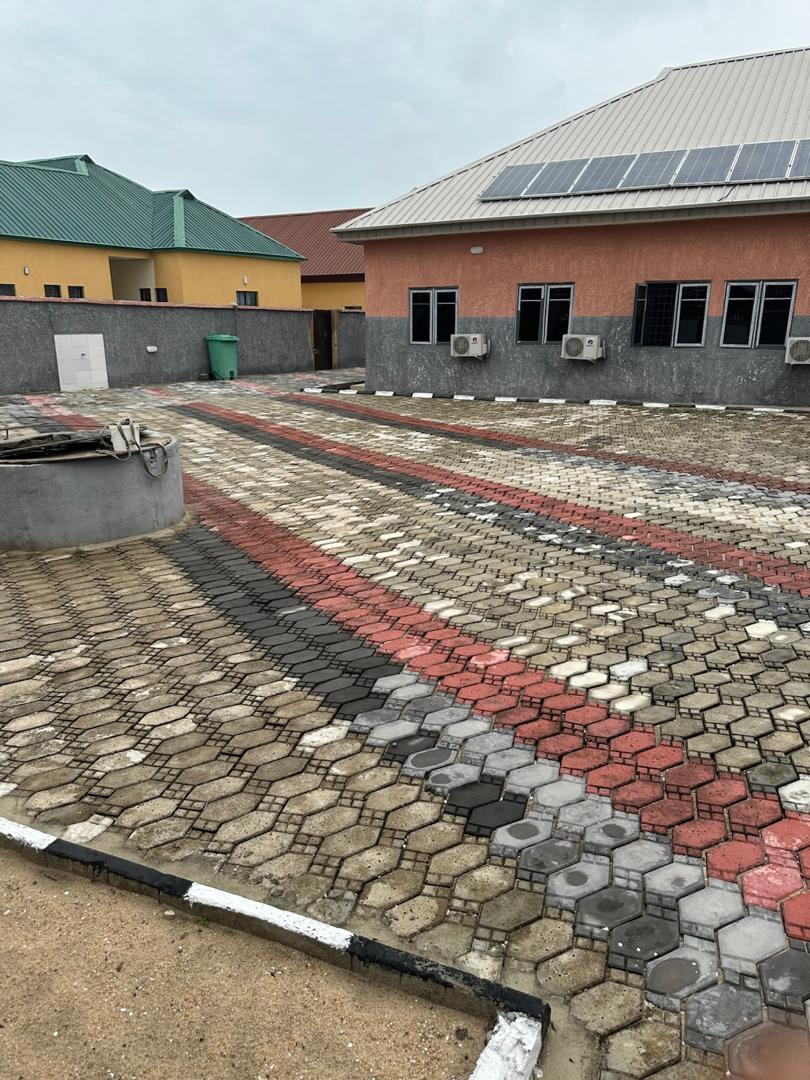
Ibasa is connected to Ibeshe through land, and it took our reporter about thirty minutes to trek to Ibeshe. She saw the newly renovated primary healthcare centre, which was assessed by the State Commissioner for Health, Akin Abayomi (Prof) about two years ago when the State Government approved it for rehabilitation.
Residents said it is only the maternity clinic that is in operation while other departments in the facility have not commenced work. “It is only the maternity clinic that works between Mondays to Fridays only”.
Some of the residents said they still rely on patent medicine stores, traditional birth attendants and clinics outside the community. Nevertheless, they commended Government’s efforts in renovating the health facility but called for full operation.
“We want the government to give us nurses and doctors and make the hospital fully operational”.
Reacting to the situation, the Permanent Secretary of the Lagos State Primary Healthcare Board, Ibrahim Mustapha (Dr), acknowledged the manpower shortage caused by the “Japa Syndrome”, relocation of many healthcare workers abroad, which is one of the reasons why the PHC is offering skeletal services.
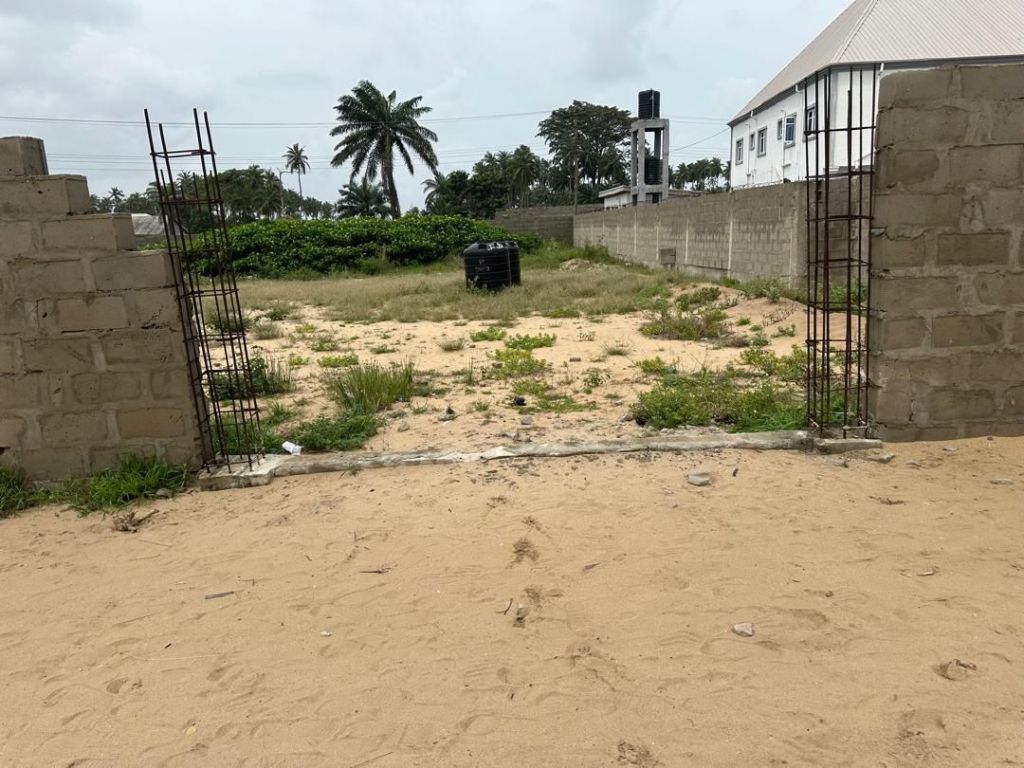
Mustapha said the state plans to recruit about 900 new personnel in the coming months to bridge the gap, adding that the Ibeshe Primary Healthcare Centre Primary Healthcare Centre will receive additional staff to enable other departments to commence operations fully.
“Once Ibeshe PHC has more personnel, full services will begin, and we are optimistic this will happen before the end of the year,” he assured.
On operational hours, Mustapha noted that there are currently no plans for 24-hour service. However, he said such an arrangement would be considered once the necessary resources are available.
The lawmaker representing Amuwo Odofin constituency II, Rauf Suleiman, also corroborated the Permanent Secretary’s statement, that the renovated hospital would be equipped and staffed before the end of 2025, for the benefit of the residents. He added that accommodation was included in the hospital for nurses and doctors.
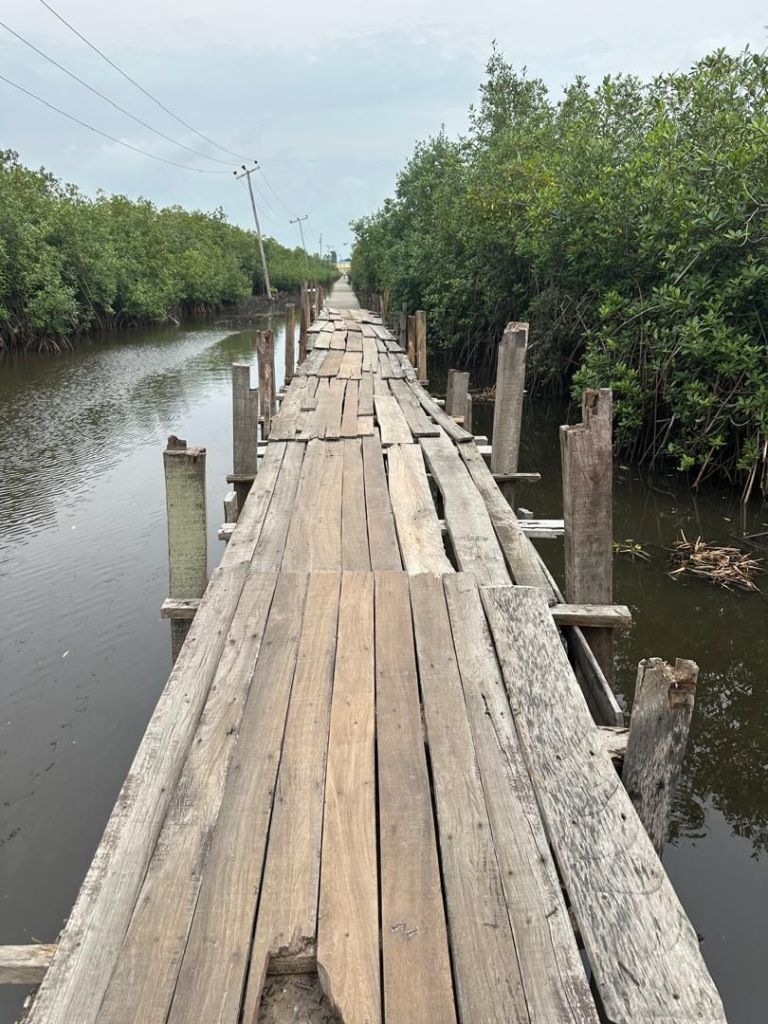
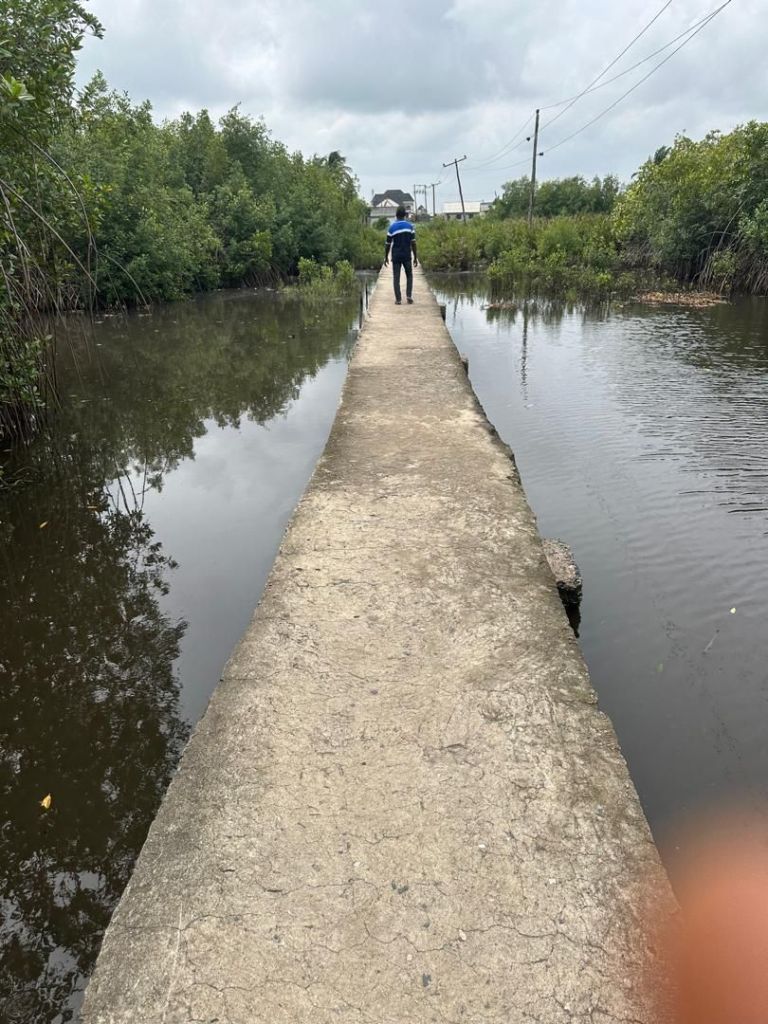
About two years ago, the state Commissioner for Health, Akin Abayomi during his assessment of the old Ibeshe PHC which was approved for renovation, also announced plans on deployment of the state first water ambulance to commute patients in cases of emergency as well as health personnels and drugs, but during our investigation, the residents said they are yet to see the ambulance commence operation.
“We have not seen any water ambulance in Ibeshe,” some of the residents maintained.

On the 9th of July, our reporter also contacted the Lagos State Ambulance Services (LASAMBUS), which oversees ambulance operations in the state. She was provided a phone number to call for an interview. The reporter called the number that same day; a man answered and instructed her to send a message via WhatsApp. She complied but received no response. Days later, precisely on the 14th of July, she sent a reminder but there was no response. On the 29th of July, she called again and was given the same instruction to send her questions via WhatsApp, still no feedback. She tried again twice and on the 20th of August, he promised to get back, but he never did.
Meanwhile, Mustapha of the state Primary Healthcare Board explained that the ambulance is functional, but it appears residents are not making use of it by calling for the service. When asked if the community had been sensitised on how to access the ambulance, he admitted that there is a need to intensify public enlightenment.

A Bigger Picture: Budget and Gaps.
According to the Lagos State Budget Implementation report for first quarter of 2025, the capital budget for primary healthcare is Sixteen billion, three hundred and twenty-four million, five hundred and twenty-six thousand, one hundred and eleven naira, fifty-seven kobo (N16,324,526,111.57) out of which Five billion, one hundred and seventy-five million, thirty-three thousand, ninety-four naira, eighty-seven kobo (N5,175,033,094.87) representing 31.7% was achieved as performance for the first quarter.
The total recurrent budget for Primary Healthcare for year 2025 is Seventeen billion, three hundred and sixty-two million, six hundred and thirty-nine thousand, six hundred and thirty-six naira, fifty-two kobo (N17,362,639,636.52) out of which Five billion, four hundred and fourteen million, nine hundred and eighty-four thousand, two hundred and seventy-two naira, forty-two kobo (N5,414,984,272.42) representing 31.2%, was recorded as performance for the first quarter. The primary healthcare expenditure was said to be measured through the health sector objectives.
While Fifteen billion, seven hundred and eighty-seven million, five hundred and forty-four thousand, one hundred and twenty-nine naira, ninety-one kobo ( 15,787,544,129.91) was budgeted for the Provision of adequate and modern health infrastructure for health service delivery of the primary healthcare, out of which Five billion, one hundred and seventy-five million, thirty-three thousand, ninety-four naira, eighty-seven kobo (5,175,033,094.87) representing 32.8%, was recorded as performance for the first quarter.
The sum of One hundred and forty-five million, ninety-four thousand, twenty-one naira, ninety-five kobo (145,094,021.95) was budgeted for the Provision of Universal Health Coverage and financial risk protection for citizens, out of which Fifty-five million, five hundred and ninety-six thousand, seven hundred and sixty-four naira, eleven kobo (55,596,764.11) representing 38.3%, was recorded as performance for the first quarter.
At a recent media engagement on Reproductive, Maternal, Newborn, Child, Adolescent Health and Nutrition, Health Financing and Primary Healthcare Centres services in Lagos State, the state Family Planning coordinator, Lateefatu Adeleye (Dr) said Lagos has over thirty million population with 329 primary healthcare centres, 28 secondary healthcare facilities, 5 tertiary health facilities and 4, 221 accredited private health facilities.

The Chief Executive Officer of AK Metal Construction Company, Abdulhakeem Abubakar said with an estimated 150,000,000 (One Hundred and Fifty Million Naira) a standard bungalow primary healthcare centre can be built within two to three months.
Meanwhile, the Chairman of the Nigeria Medical Association, Lagos State branch, Saheed Babajide (Dr) said the significance of Primary Healthcare Facilities to those at the grassroots cannot be overemphasised.
Babajide urged both Lagos state and local government to equip the available healthcare centres in the state with qualified nurses and doctors rather than just Community Health Extension Workers popularly known as CHEW nurses because there is a limit to the services they can render.
He also encouraged the governments to bridge the healthcare gaps in rural communities by partnering with nearby private hospitals. “Governments can collaborate with private hospitals close to rural communities, by ensuring they offer primary healthcare services to residents at a subsidized rate which the government will be responsible for”.
Babajide emphasised that strengthening primary healthcare would cut maternal deaths and ease pressure on teaching hospitals by providing affordable early treatment.
He urged government support for health workers in remote riverine areas through safe transport, staff housing, and rural allowances. He stressed that pregnant women, children, and the elderly in these communities deserve equal access to healthcare, not a system favoring urban centers.
With billions budgeted and projects announced, the residents of Irede, Ikaare, and Ibasa are still waiting on the lawmaker representing them in the state assembly, Rauf Suleiman to fulfill his pledge, the Primary Health Care Board, Oriade Local Council Development Area and the Lagos State Government to build health facilities to access prompt healthcare services.
Residents of these riverine communities yearn for standardisation of existing health facilities, building new ones where none exists, and ensuring health workers can safely reach even the most remote villages to lead healthy lives like those up land.
This report was supported by the Wole Soyinka Centre for Investigative Journalism (WSCIJ) under its Report Women! Female Reporters Leadership Programme (FRLP) with support from the Bill & Melinda Gates Foundation.
 ..all about information services
Leave a Reply