
By Mary Agidi
As the effects of climate change on the Nigerian environment become increasingly apparent, with coastal and agrarian communities at the center of these inherent disasters, there is an urgent need to incorporate their voices into climate change adaptation policies and strategies.
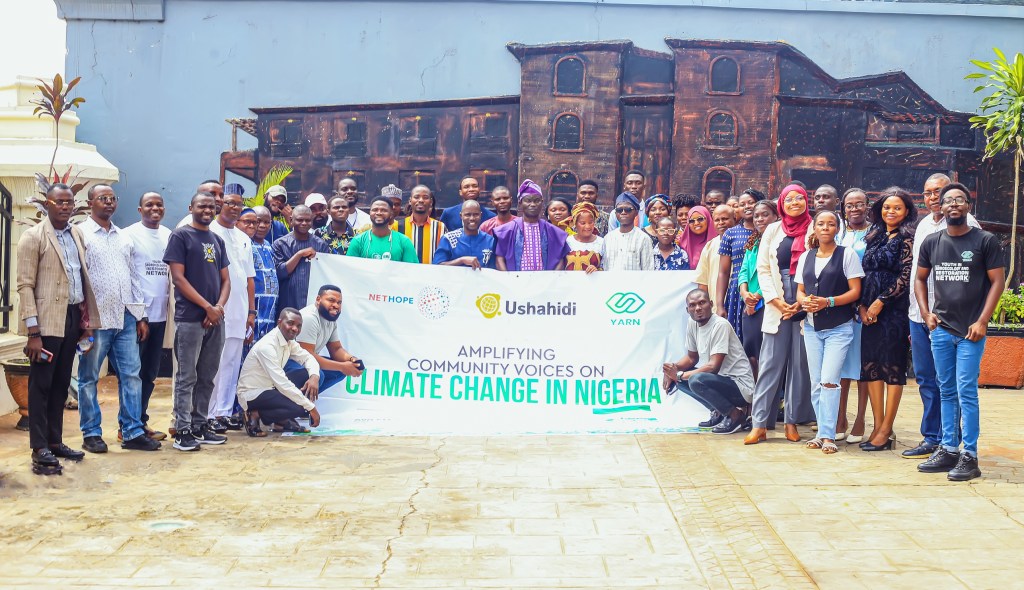
This objective informed the launch of the Climate Equity Pilot Project, instituted by two international organizations, NETHOPE and Ushahidi, to amplify community voices on climate change in Nigeria.
The project which is locally implemented by Youths in Agroecology and Restoration Network (YARN), aims to ensure that the voices of those most affected by climate change—particularly women, youth, persons with disabilities, and indigenous groups—directly inform policy and action.
Speaking during an inception and discovery meeting held at St. Jacobs Hotel Alagbaka, in Akure, the Ondo State capital, a representative of NETHOPE, Aminat Adebayo, explained that the project is being piloted in three Southwest states: Osun, Oyo, and Ondo, which were identified as coastal and agrarian areas notably impacted by climate change.
According to her, climate change has led to the degradation and loss of natural resources, changes in atmospheric conditions, and threats to both human health and wildlife. She emphasized the need to provide emergency response strategies to help communities adapt and mitigate these challenges.
Adebayo also highlighted the commitment of NETHOPE—a United States-based organization that leverages digital technology to address issues affecting underrepresented communities. This includes climate intervention initiatives focused on upscaling and training programmes that help communities adapt to climate impacts.
Speaking on behalf of Ushahidi, a Kenya-based organization, Joseph Kirai identified climate change as one of the organization’s thematic priorities, which is why it supports YARN on this project.
The Executive Director of YARN, Opeyemi Elujulo, outlined the scope of the project, noting that stakeholders were drawn from civil society organizations, local communities, government ministries and agencies responsible for environmental management and agriculture, as well as the media.
He stated that selected enumerators are tasked with gathering insights from individuals, which will serve as a guide for local adaptation efforts and inclusive climate planning with community leaders and government actors.
Elujulo disclosed that the one-year project will utilize a well-structured questionnaire to collect data, information, and stories about climate change from affected communities, using the findings to drive change and influence policy.
The meeting featured a session for sharing firsthand experiences of climate impacts, anchored by a Ushahidi team member, Diana Gacheru, during which participants recounted their direct encounters with climate-related disasters in their communities.
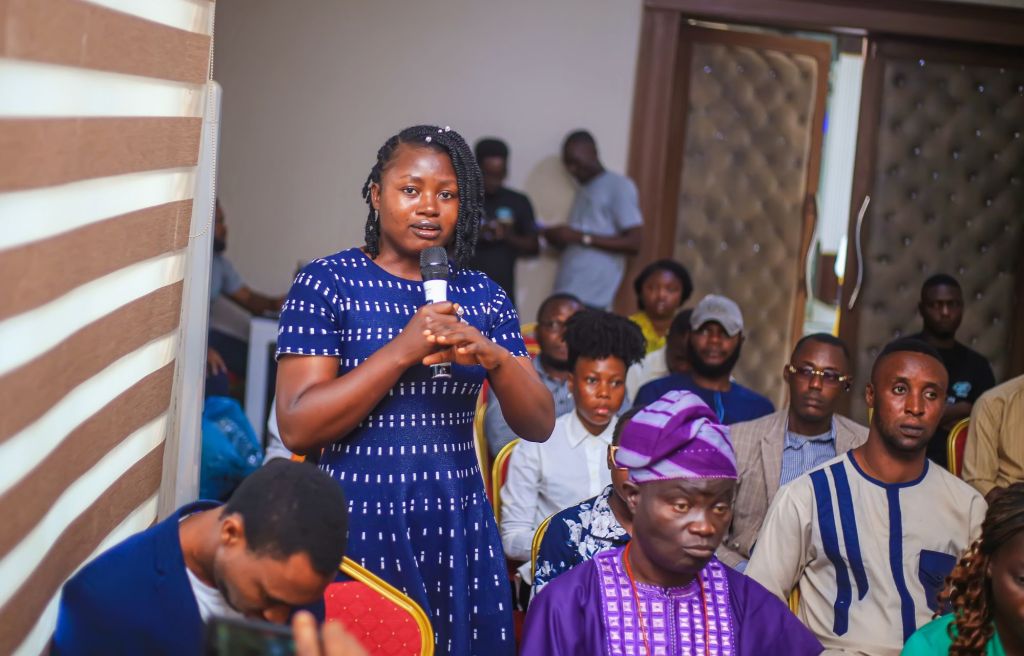
The forum provided an opportunity for representatives from affected communities—especially those from the riverine areas of the state—to share their devastating experiences. It also allowed government representatives to discuss ongoing efforts and response measures aimed at mitigating the effects of climate change on citizens.
The gathering fostered meaningful dialogue, commitments to collaboration, and networking among stakeholders to strengthen grassroots climate action plans, while also creating space for knowledge sharing.
 ..all about information services
Leave a Reply