
By Muhammad Abdul-wahab, Kamaldeen Naeemah and Adeleke Asma’u
On the third and final day of the University of Ilorin’s Cultural Day celebration, the chants of ancestral drums and the vibrant display of Nigerian heritage came together in a powerful spectacle of identity, intellect, and artistry.
The event, hosted on May 21, 2025, by the Centre for Cultural Studies and Creative Arts, was more than a gathering—it was a cultural renaissance.
Although it spanned three days—from Monday, May 19th to Wednesday 21st of may 2025 at the University auditorium .
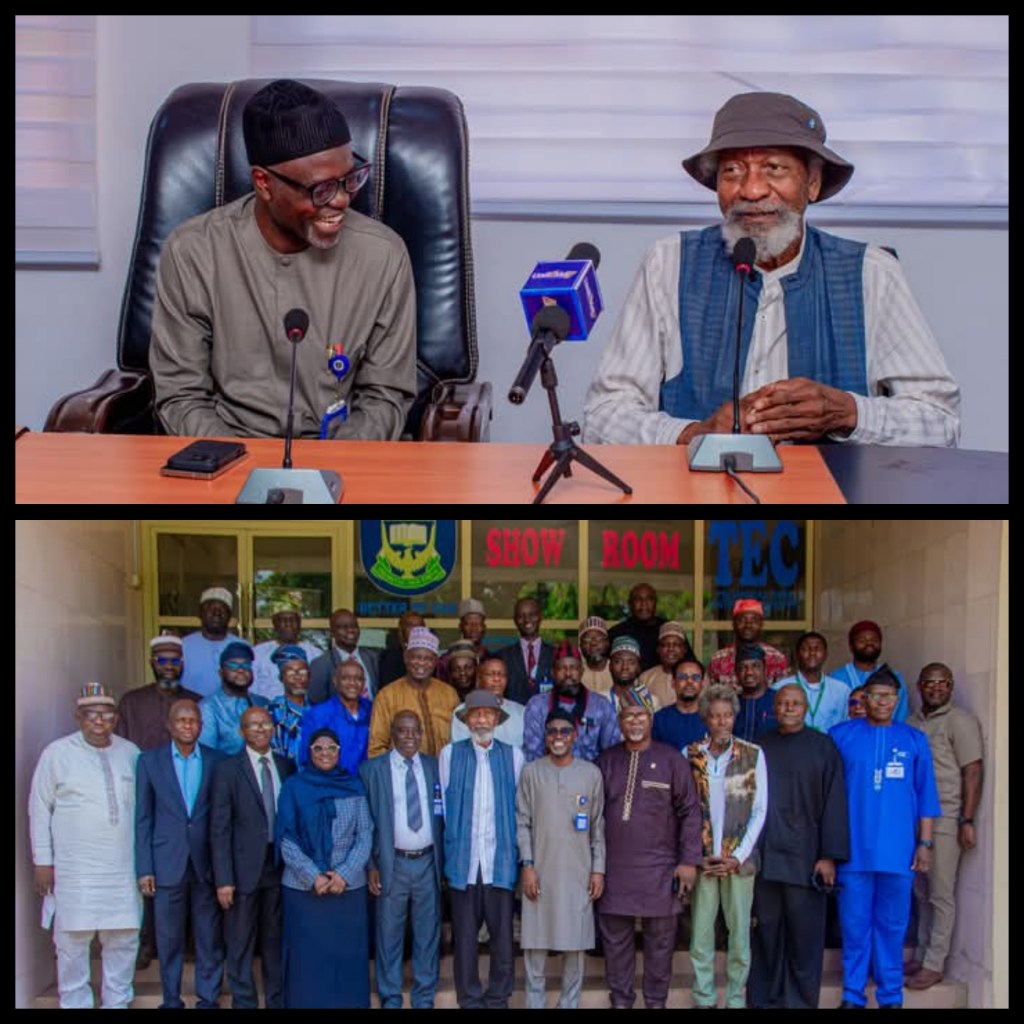
The third day radiated with a particular brilliance, graced by unilorites, dignitaries, cultural icons, and scholars. Most notably, Nobel Laureate Prof. Wole Soyinka, who has been in Ilorin since the begining of the week.
However , today , though unable to attend in person, but was honorably represented by the renowned scholar and musician, Prof. Wole Alade. The presence of such figures underscored the university’s commitment to celebrating Nigeria’s diverse cultural identity.
With the theme, “Celebrating the Beauty of Our Cultural Diversity,” the event unfolded at the University Auditorium Basement—transformed into a lively hub of traditional music, dramatic performance, and intellectual reflection.
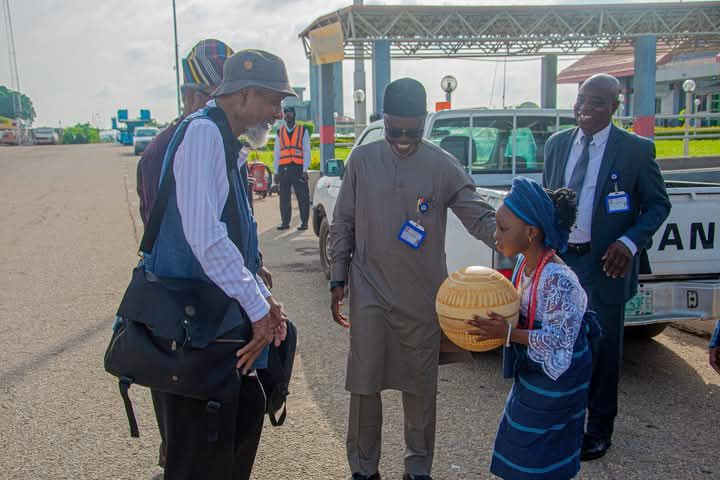
The program officially commenced with the arrival of the Deputy Vice-Chancellor (Management Services), representing the Vice-Chancellor. Also present were notable figures including Mr. Kunle Akogun (Director of Corporate Affairs), Prof. Oluyemisi Bolajoko Fawole (Dean, Faculty of Agriculture), Prof. Olutoyin Raymond Ogunade (Director, Centre for Cultural Studies and Creative Arts), and Prof. Jawondo of the Department of History and International Studies, who stood in cultural capacity for the Emir of Ilorin.
In a symbolic start, the National and University anthems resounded through the hall, followed by an elegant performance of drumming and traditional songs by students of the Performing and Film Arts (PFA) Department, setting the celebratory tone.
Delivering the welcome address, Prof. Ogunade proposed a visionary idea—designating Mondays as Cultural Attire Day at the university. He passionately described cultural dressing as “ancestral memory stitched into form,” emphasizing that what we wear is a manifestation of who we are.
In agreement, Prof. Fawole praised culture’s vivid expression in attire, food, and customs. She highlighted the need to embrace heritage beyond aesthetics—seeing culture as a living, breathing part of society.
The stage then transitioned to student dramatists who delivered short but impactful performances, artistically addressing themes of unity, diversity, and heritage.
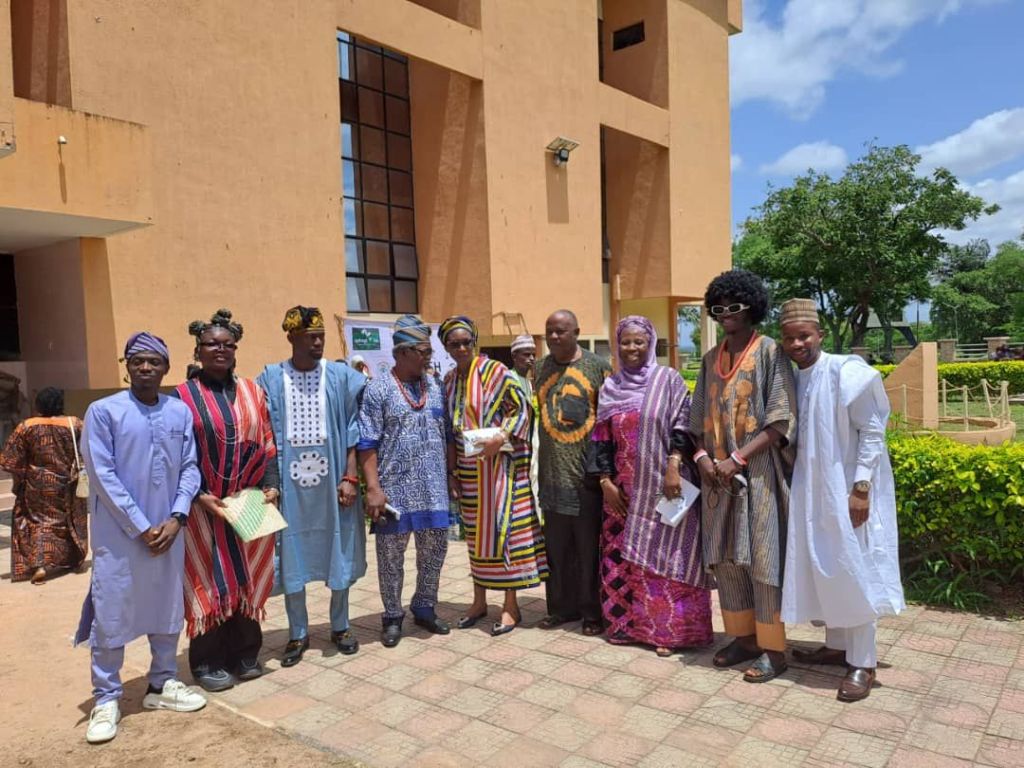
The rhythm of the day intensified with Ijala chants by Sheriff Olanrewaju, whose booming voice reverberated with raw cultural strength. Following him was Hassanat Aṣa àti Eléwì from the Department of Linguistics and Nigerian Languages. Her Ewi (traditional poetry), which eulogized various Nigerian ethnic groups, earned her money , rounds of applause and admiration.
An artistic high point came when Prof. Wole Alade presented a pre-recorded musical piece titled “Olodumare: The Creator.” The spiritual rhythm, performed in the United States and backed by saxophone harmonies, was a joint artistic creation between Alade and students of the PFA department. It left the audience visibly moved.
Also featured was Kengbe, a traditional Ilorin performance piece that invoked a strong sense of home and heritage, serving as a reminder of the city’s rich cultural past.
As the performances gave way to reflections, Emeritus Professor Olu Obafemi, a giant in Nigerian literature and culture, offered a deep cultural insight. He stressed that genuine cultural preservation involves more than traditional wear—it embraces intangible heritage like language, values, and social interaction, especially in a globalizing world.
Adding further cultural dimension was the presence of Mallam Aliyu Badmus, founder of Iqra Schools, whose participation signified the link between academic culture and community leadership.
In closing, Mr. Mansur Adeleke Anfanla, the University Registrar, appreciated the dignitaries, performers, and organizers for turning Cultural Day into an experience that did not only entertain but also enlightened minds and restored cultural pride.
The Cultural Day celebration was more than a calendar event—it was a testimony to Unilorin’s growing role as a custodian of Nigeria’s diverse cultural treasures. Through theatre, music, intellectual dialogue, and traditional performances, the university reasserted a simple but solid truth: Our culture is our identity, and our identity is our strength.
As the program drew to a close, UCJ Unilorin correspondent caught up with a few students from different states, who shared their reflections on the cultural spectacle.
Adisa Kolawole, a student representing Osun State, described the event as “a visual and emotional reminder of our unity through diversity.”
“Seeing different cultures represented on one stage shows how Nigeria, despite her differences, can stand as one. It makes me proud to be a part of this university,” he said.
Also is Mubarak Olayiwola, from Ogun State, emphasized the educative power of the event.
“It’s not just about entertainment; it’s about education. I’ve learned so much about other ethnic groups that I never knew before. This is the true meaning of intercultural dialogue,” he shared.
For Bangbade Ayomide Madathiru, who hails from Ilorin, the event stirred a deep sense of belonging.
“Watching Kengbe being performed gave me chills. It’s beautiful to see our heritage celebrated with such pride in an academic space,” he noted, visibly moved.
Meanwhile, Kazeem Sodeke from Ibadan called the event a “cultural milestone.”
“This is beyond a university event—it’s a historic moment in cultural appreciation. If this continues, Unilorin may soon become a cultural hub in Nigerian academia,” he predicted confidently.
 ..all about information services
Leave a Reply