
..as Stakeholders urge ODSG to invest in PWD-Friendly Services
The government of Ondo State has been urged to intensify efforts to provide inclusive healthcare services to its citizens, particularly ensuring accessibility for Persons With Disabilities (PWDs).
Additionally, the government was enjoined to implement stronger policies that would improve the quality of life for PWDs, allocate funds for inclusive social protection programs in the state, and provide assistive technologies to enhance healthcare accessibility for PWDs.
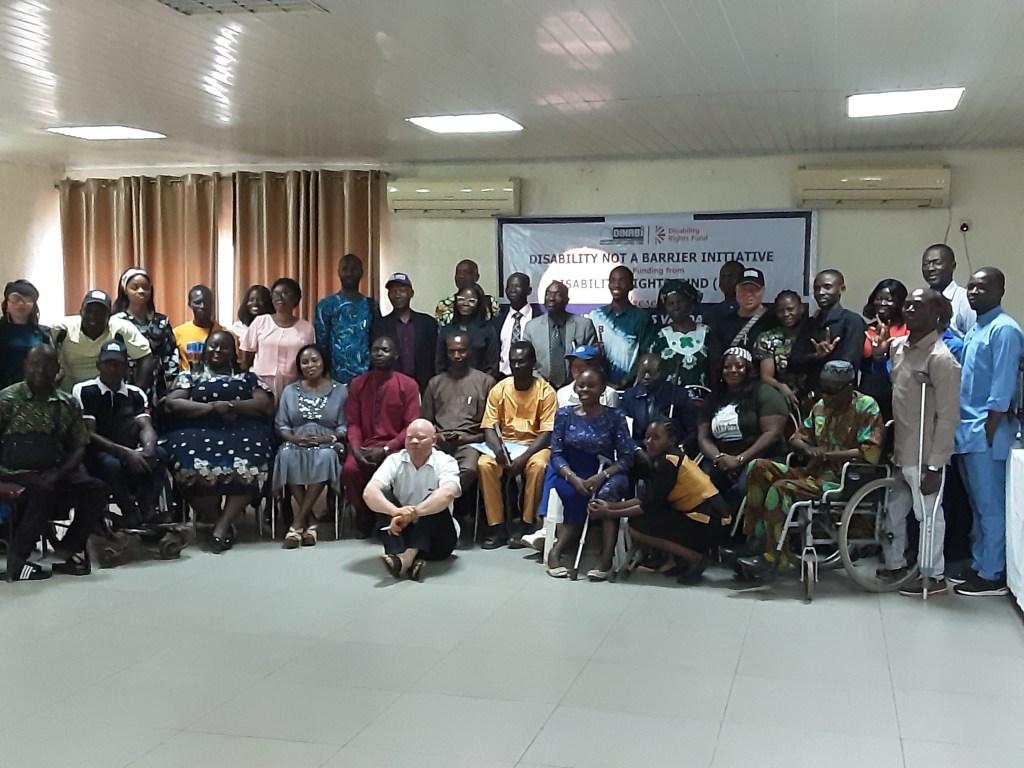
These were the resolutions of participants at a one-day stakeholders’ validation meeting on the draft report assessing PWDs’ access to healthcare and social protection services in Ondo State. The meeting was held at the Royal Bird Hotel, Ijapo, Akure, on Thursday.
Organized by the Disability Not A Barrier Initiative (DINABI), with funding from the Disability Rights Fund (DRF), the meeting featured a presentation of findings on the accessibility of healthcare services and social protection programs for PWDs. The assessment was conducted among 75 respondents representing various PWD clusters.
The report, presented by the Project Research Consultant, Mr. Martin-Mary Falana, revealed that over half of PWDs face limited or inconsistent access to healthcare services due to infrastructure deficiencies, a lack of disability-inclusive policies, insufficient trained medical personnel for disability-specific care, and the long travel distances to healthcare facilities.

The report called for the decentralization of healthcare facilities to ensure equitable access, as findings showed that only 38.8% of PWDs had partial access to healthcare services, while 57.9% faced physical barriers such as the lack of signage, ramps, disability-friendly stairs, and restrooms in healthcare facilities.
The recommendations emphasized the need for reforms in accessibility standards through the enforcement of inclusive policies for healthcare, an inclusive educational system, and anti-discrimination laws.
It was noted that PWDs have started being included in the state’s health insurance scheme, as announced by the government in late 2024. However, 73.7% of respondents claimed they had not yet benefited from it.

Stakeholders, therefore, urged the government to intensify efforts in enrolling PWDs to reduce their financial burdens in accessing healthcare services.
Regarding social protection, 64.5% of respondents claimed they were unaware of any social protection programs for PWDs in the state, while 75% had never benefited from financial support, disability grants, or vocational training. This was attributed to poor information dissemination, inadequate outreach, and bureaucratic inefficiencies.
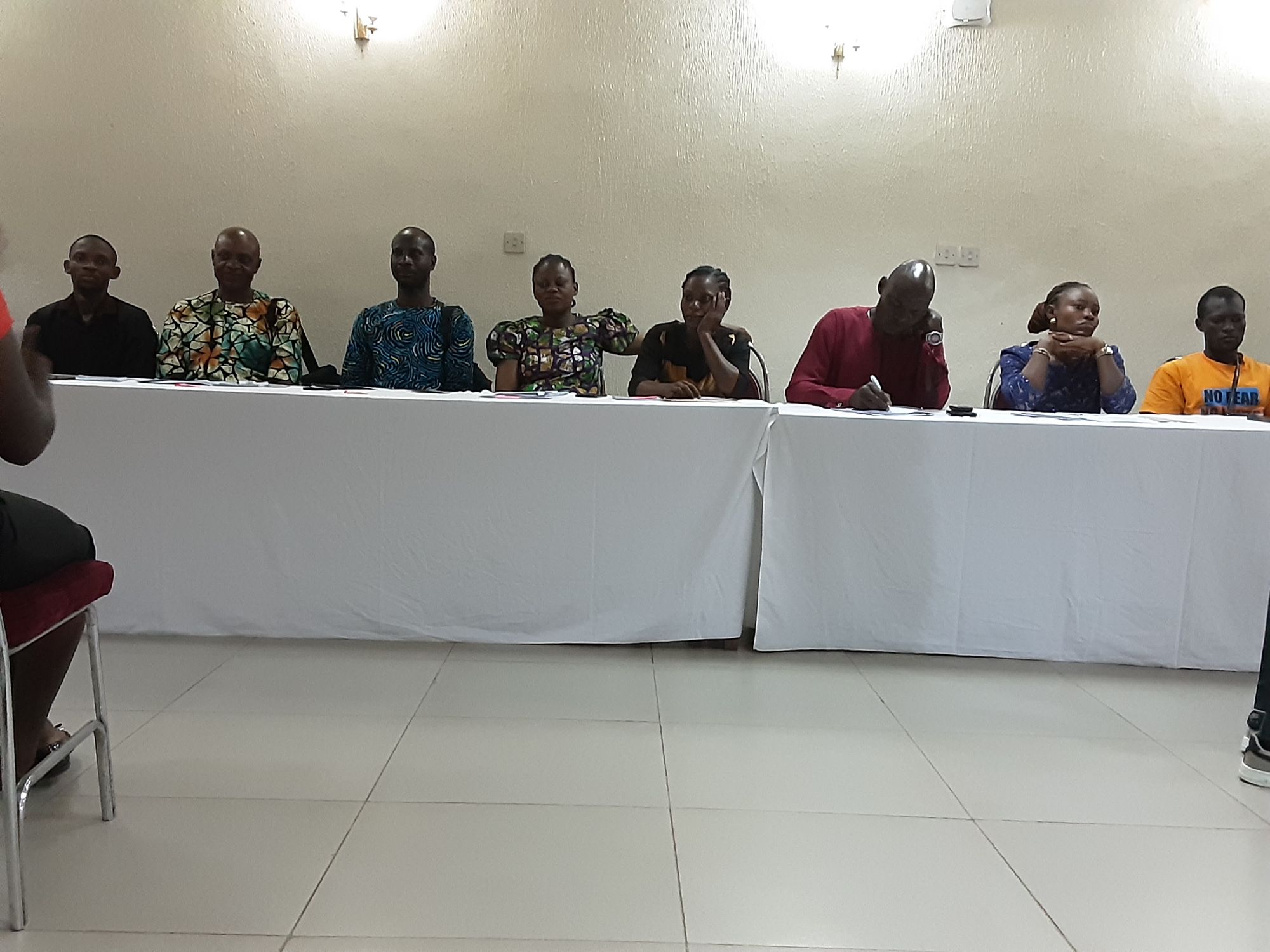
Earlier in his remarks, the Executive Director of DINABI, Mr. Funso Olajide, asserted that the findings aimed to foster collaboration with the government to improve the well-being of PWDs rather than portray the state in a negative light.
He stated that DINABI’s mission is to promote inclusion, justice, wellness, and equity for PWDs through advocacy, capacity building, awareness campaigns, research and documentation, and policy development.
The validation meeting also highlighted a few successes regarding the welfare of PWDs in Ondo State, including the provision of clinics at the School for the Visually Impaired, Ago-Ireti Leprosarium Home, and the School for the Hearing Impaired.
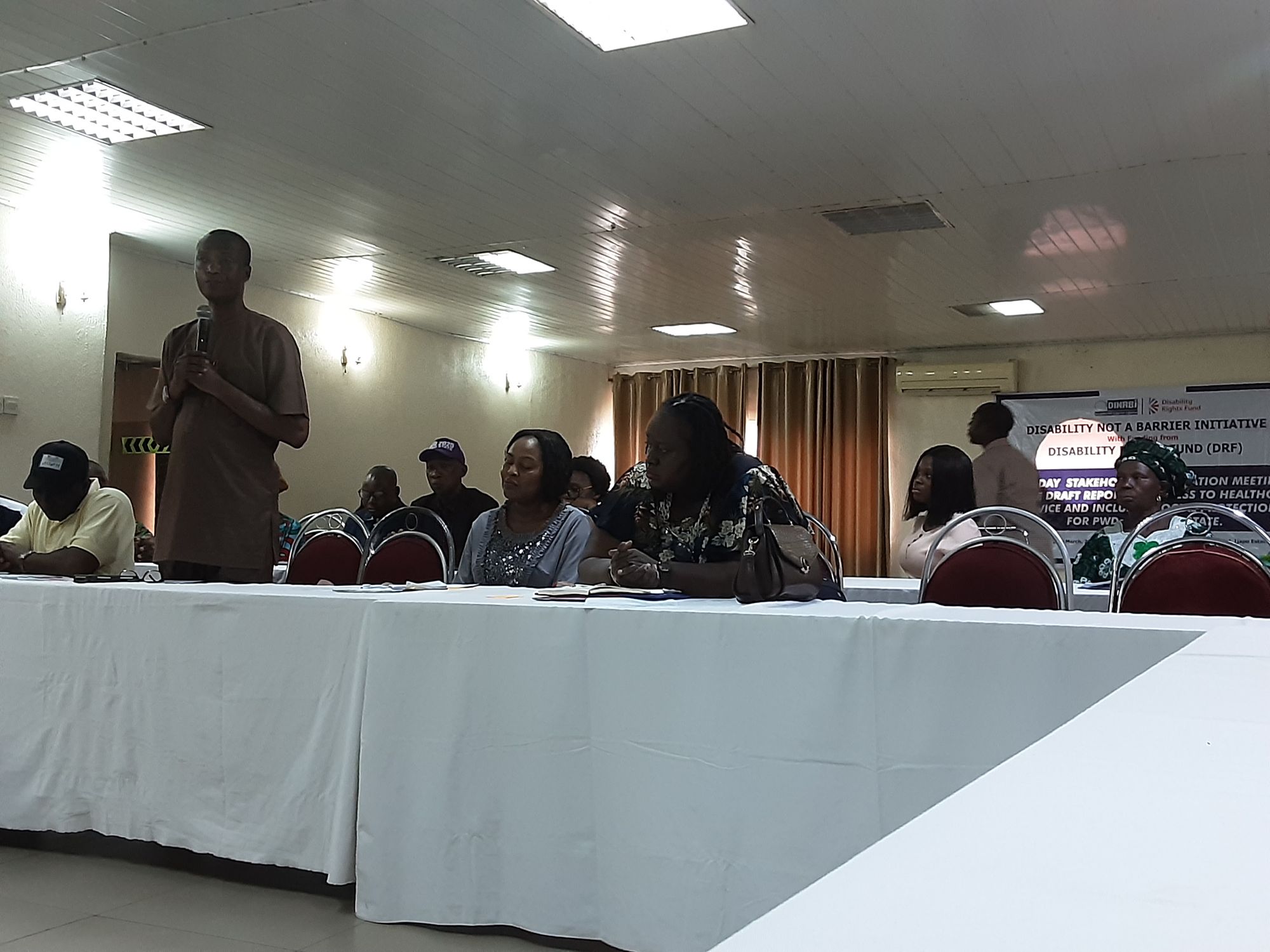
Additionally, it was noted that a disability-support hostel was erected at Adekunle Ajasin University, Akungba-Akoko, by Senator Bode Olajumoke.
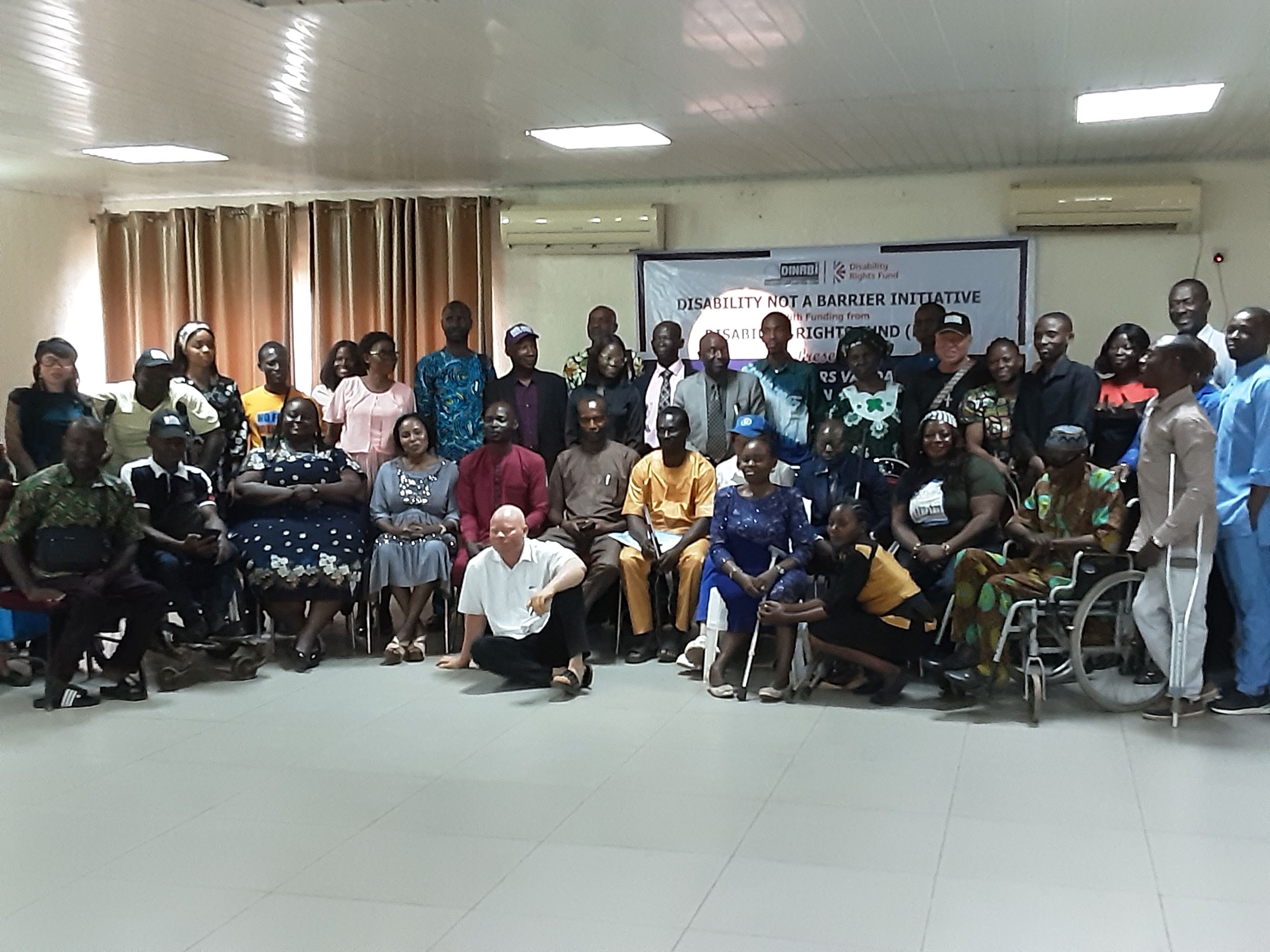
In attendance were representatives from the state’s ministries of Health, Budget, and Women Affairs, as well as the Law Commission and the Agency for the Welfare of PWDs. They all expressed their readiness to provide policy and legal frameworks for inclusive services.
 ..all about information services
Leave a Reply