

..to transit programmes implementation to government as Donors funding declines
By Mary Agidi
Country ownership has become essential to ensuring the sustainability of the HIV response in Nigeria as donor funding begins to dwindle, with the possibility of complete cessation in the near future.
To prevent the potential adverse effects of this funding reduction—which could severely impact HIV response programmes in Nigeria—a national dialogue was convened in Abuja, the Federal Capital Territory, to plan for sustainability beyond donor funding.
The event, led by donors such as the United States President’s Emergency Plan for AIDS Relief (PEPFAR), in collaboration with The Global Fund, the Joint United Nations Programmes on HIV and AIDS (UNAIDS), and the National Agency for the Control of AIDS (NACA), introduced civil society organizations and other HIV response communities to the New Business Model (NBM) of HIV response, set to take effect in 2026.
The NBM involves shifting from the current NGO-led HIV response Programmes to a government-led implementation approach, allowing Nigerian authorities to assume control over HIV response initiatives and manage donor funding directly, instead of through implementing partners.
Speaking at the event, Dr. Funmi Adesanya, PEPFAR Coordinator in Nigeria, emphasized that while HIV is no longer seen as an emergency, it remains a persistent infectious disease crisis. She explained that PEPFAR is committed to achieving the global 95-95-95 targets to end HIV as a public health threat by 2030.
Represented by PEPFAR’s Multilateral Advisor, Dr. Margaret Shelleng, Adesanya noted that despite declining financial resources—with funding for Year 2 of COP 23 decreasing from $397 million to $333 million—maintaining treatment Programmes and addressing equity gaps is critical.
She added that PEPFAR’s future vision includes a shift toward greater local leadership in HIV prevention, treatment, and care Programmes, aiming for more government-led initiatives with strong community involvement and accountability, though this does not indicate an immediate exit of donor support.
On the significance of the national dialogue, she affirmed that civil society plays a crucial role in advocacy, service delivery, and holding governments and donors accountable, particularly for underserved populations.
PEPFAR, she stated, remains committed to working with local stakeholders and adapting strategies to ensure a sustainable HIV response in Nigeria.
The Director urged civil society organizations to take an active role in shaping the future of HIV programmes as they transition to local ownership.
Dr. Temitope Ilori, Director General of NACA, emphasized the need for Nigeria to fully own its HIV response as the country aligns with global targets to end HIV as a public health threat by 2030.
Although international partners continue to provide support, Ilori asserted that the Nigerian government must lead the effort.
She highlighted that the meeting aimed to clarify and define the concept of sustainability in the HIV response, outlining the roles of civil society organizations (CSOs) and the use of government-owned structures.
The Director General stressed the importance of aligning all stakeholders—CSOs, government, and partners—in terms of programmatic, financial, and policy initiatives. She called on CSOs to work closely with the government, recognizing their critical role in achieving an HIV-free generation in the future.
In his remarks, Ibrahim Tajudeen, Executive Secretary of the Country Coordinating Mechanism for the Global Fund—another donor supporting Nigeria’s HIV response—emphasized the importance of collaboration among CSOs to hold the government accountable by advocating for their involvement in health sector resource mobilization and annual budgeting.
He encouraged CSOs to prioritize Nigerians’ health and share information on the successes achieved in HIV response programmes to enhance sustainability.
“The CSOs at this point need to take responsibility and recognize that the health of all Nigerians is in their hands. If we continue to see it solely as the government’s responsibility, we cannot sustain our achievements. Sustainability will require collaboration,” he added.
Also speaking, Dr. Leo Zekeng, Country Director of the Joint United Nations Programmes on HIV and AIDS (UNAIDS), stressed the importance of maintaining current progress, warning of the risks of rising new infections and increased fatalities if response efforts decline.
He explained that sustainability encompasses political, diplomatic, and financial dimensions, but that communities play a vital role as first responders and advocates, particularly in service delivery and combating stigma.

The UNAIDS Director underscored the importance of capacity building, identifying three key areas for sustainability: strategic advocacy and resource mobilization, programmatic capacity for service delivery, and operational capacity for managing resources and performance.
He also highlighted the need for a supportive legal, social, and cultural environment to combat stigma and discrimination, urging CSOs and communities to collaborate and create a strong, unified voice to tackle these challenges.
Abdulkadir Ibrahim, National Coordinator of the Network of People Living with HIV and AIDS (NEPWHAN), advocated for innovative approaches to ensure sustainability. He revealed that NEPWHAN had received N600,000,000 in global funds to engage community-led NGOs for HIV response programmes, attributing this achievement to NEPWHAN’s innovative support for the cause.
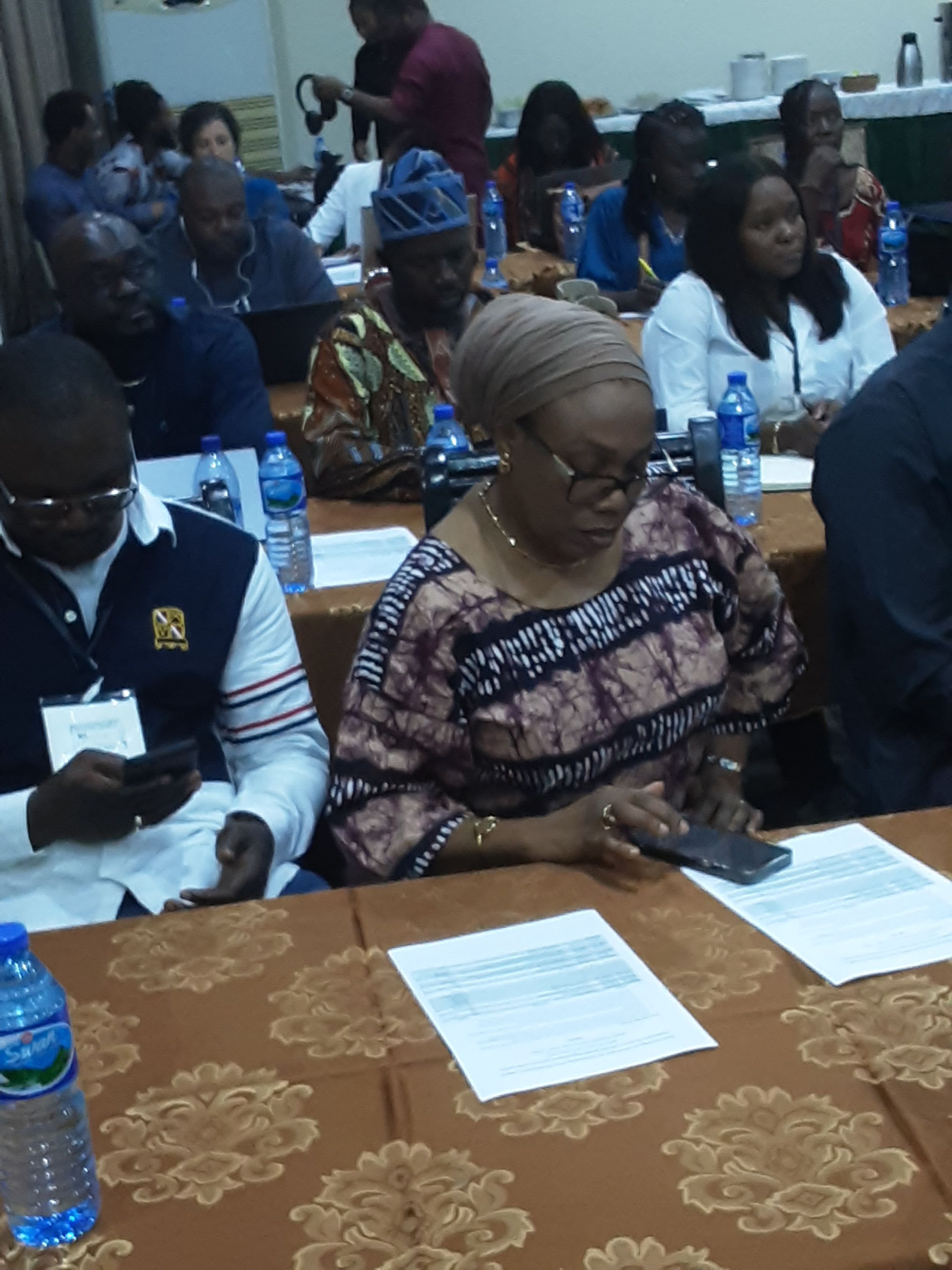
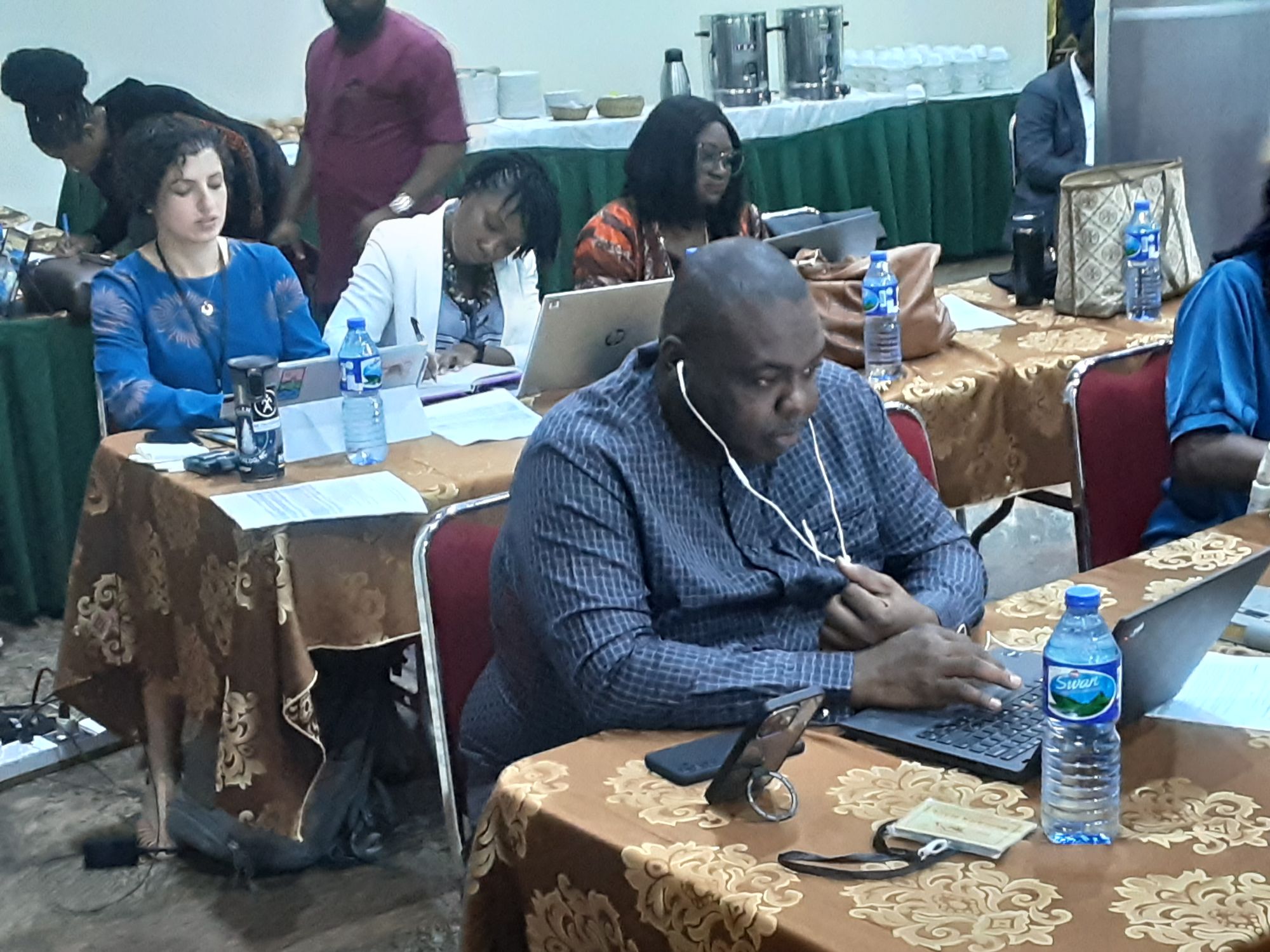
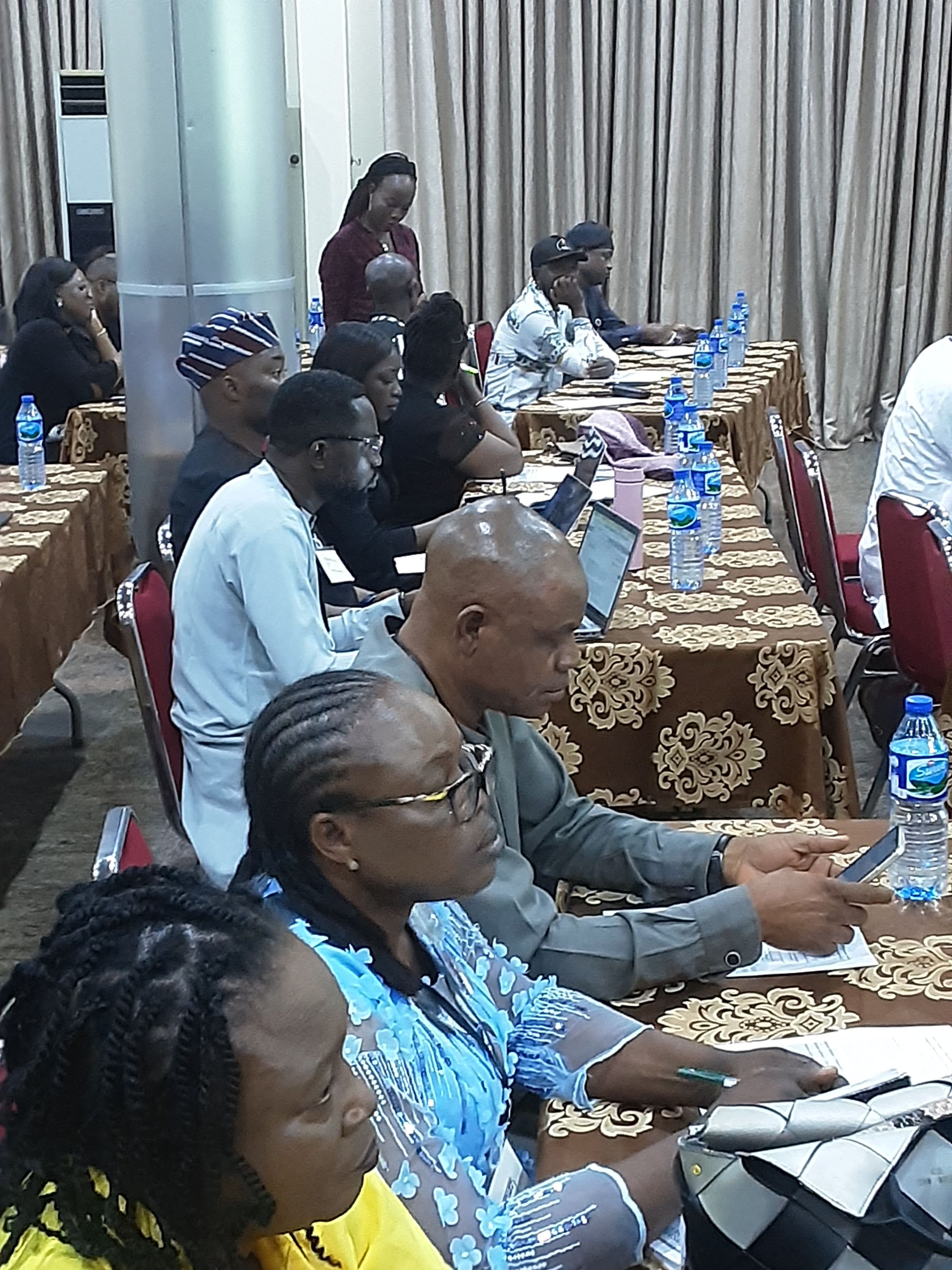
The meeting was attended by various CSOs and HIV response communities, including Key Populations, Youths Living with HIV, Persons with Disabilities living with HIV, and media representatives from across the nation.
 ..all about information services
Leave a Reply