

..targets 30% increase in vaccinated children by 2025
By Mary Agidi
Access to vaccines in childhood is paramount to achieving a healthy population and reducing financial burdens on the healthcare system and parents in a given society.
To achieve this in Nigeria, media professionals have been urged to deploy their professional tools and work collaboratively with stakeholders to build a resilient healthcare system through awareness creation on immunization.
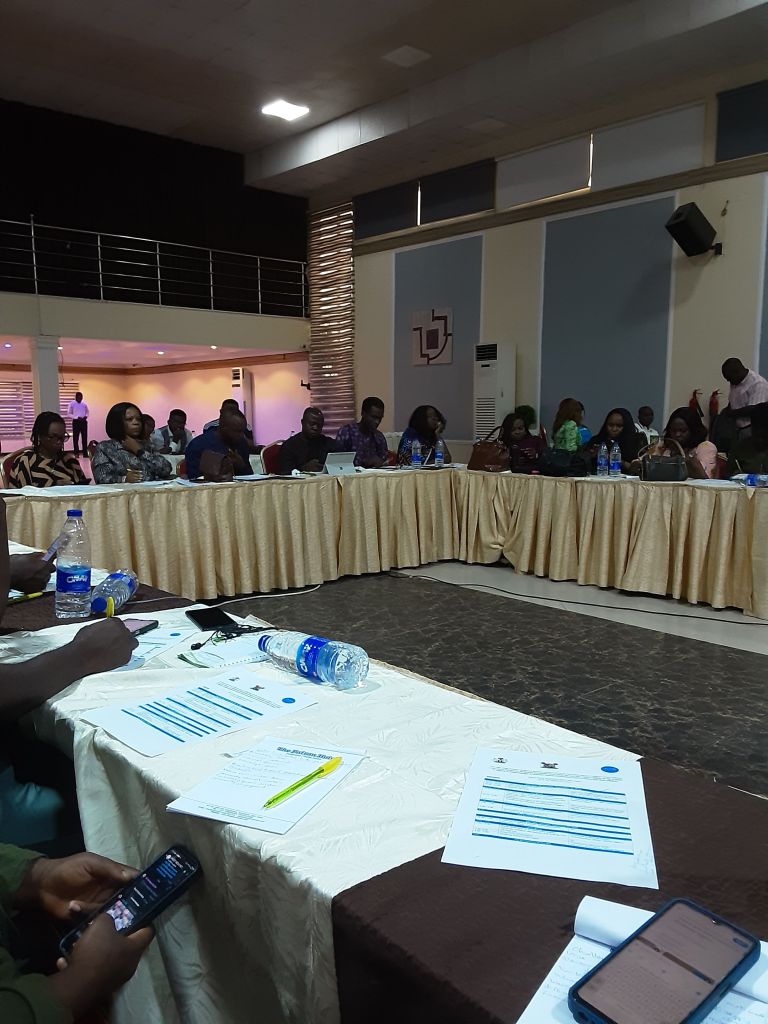
The Chief of the United Nations Children’s Fund (UNICEF) field office for Southwest Nigeria, Celine Lafoucriere, made this plea at a two-day media dialogue on achieving the health sector SDGs for over two million children at risk of death in Nigeria.
In her welcome remarks at the program, organized by UNICEF in collaboration with the Lagos State Primary Healthcare Board and aimed at enhancing routine immunization, Lafoucriere lamented that 2.3 million Nigerian children are zero-dose
Addressing the participants, who were drawn from media organizations across Southwest Nigeria and Edo State, she stated: “Your influence is very important. You can catalyze actions and share successes with us. By working collectively, we can build a resilient healthcare system that is capable of reaching every child, leaving no one behind, no matter where they live, to ensure that no child in Nigeria suffers from preventable diseases.”
According to her, the zero-dose children are mostly in marginalized, hard-to-reach areas, and vaccines remain essential to their health.
“They [vaccines] remain a fundamental right for every child and are crucial to improving health outcomes and reducing inequalities.
“To address this in Nigeria, UNICEF, together with the government and valued partners like yourselves, has prioritized 100 local government areas across 18 states with the highest concentration of zero-dose children who need our help. They need us right now, and in collaboration with you, we must join hands to accelerate the rate of immunization in Nigeria. Our goal is simple.
“We aim to ensure that each year we increase the rate of vaccinated children by 15 percent. By 2025, we need to have reached 30 percent more vaccinated children.”
In his remarks, Dr. Matthew Akinpelu from the Lagos State Primary Healthcare Board, affirmed that vaccination is the most effective method for disease prevention, which would help reduce financial burden on both the healthcare system and families.
“And if we look at the whole totality of how you prevent diseases, the first step is vaccination before we now start looking for other lifestyle changes and looking at treatments. “So, as a means of social welfare, vaccines is one of the best ways that a state can provide protection for its citizens”, he noted.
He reiterated the goal of Lagos State government to ensure that every child is vaccinated, achieving a minimum of 90% target of the population.
Highlighting the collaborative efforts of the UNICEF, which has been instrumental in filling gaps and advocating for healthcare interventions, particularly vaccinations, Akinpelu announced a statewide campaign starting on October 19th to close immunity gaps created by the COVID-19 pandemic.
This campaign, according to him aims to vaccinate against measles and yellow fever, and also provide HPV vaccines to girls, targeting children aged 9 to 59 months.
 ..all about information services
Leave a Reply