

..as UNICEF, stakeholders push for ODF Nigeria by 2030
By Mary Agidi
Driving behavioral change, private sector participation, awareness creation, provision and maintenance of public facilities, and funding have been identified as major factors to achieve an Open Defecation Free (ODF) Nigeria.
If Nigeria can achieve ODF by 2030, which would also eliminate Neglected Tropical Diseases (NTDs), the country stands to gain $18.9bn.
These were the submissions of stakeholders at a media dialogue on ending open defecation in Nigeria and the elimination of NTDs, organized by the United Nations Children’s Fund (UNICEF) in collaboration with the Oyo Rural Water Supply and Sanitation Agency, held at Orchid Hotel, Lagos State.
In her welcome address, the UNICEF Chief of Water, Sanitation, and Hygiene (WASH), Jane Bevan, underscored the need for collaborative efforts to end open defecation in Nigeria, which, according to her, poses significant health hazards to children and leads to unnecessary deaths as a result of the NTDs caused by open defecation.
She emphasized the need to implement simple preventive measures to enhance WASH practices in Nigerian society and affirmed that UNICEF is strongly committed to ending open defecation by collaborating with governments at all levels and development partners.

According to her, the collaboration has yielded positive results, with 126 local government areas now certified as Open Defecation Free, and she expressed optimism that more progress would be achieved.
Giving an overview of the sanitation landscape in Nigeria and the Clean Nigeria Campaign, the National Coordinator of the Clean Nigeria Campaign of the Federal Ministry of Water Resources and Sanitation, Chizoma Opara, noted that only 46% of the Nigerian population has access to basic sanitation services.
She affirmed that only 16% of the total 774 local government areas in Nigeria are certified as Open Defecation Free, highlighting that the country is off track in achieving the ODF 2030 target of providing every Nigerian with access to safely managed sanitation and hygiene facilities.

Opara identified the challenges hindering the achievement of ODF in Nigeria, including a huge funding gap, low political will, weak policies and institutions to combat the practice, and low private sector participation.
She emphasized the need for awareness creation through the “Clean Nigeria: Use the Toilet” campaign to reduce NTDs, while urging the media to give adequate publicity to the campaign.
UNICEF WASH Specialist Monday Johnson informed that Nigeria has the highest burden of NTDs in Africa, with more than 200 million people at risk of at least one of the diseases.
He described the role of WASH as critical in preventing all 17 NTDs, noting that Nigeria is endemic for all five NTDs targeted by USAID’s Act to End NTDs, which include lymphatic filariasis, onchocerciasis, trachoma, schistosomiasis, and soil-transmitted helminth infections.
Providing a link between WASH and NTDs, the UNICEF WASH Specialist noted that NTDs and poor access to WASH contribute to a vicious cycle of poverty and disease, leading to catastrophic health expenses and reduced economic productivity.
He highlighted some behavioral changes to prevent NTDs, including the use of toilets, avoiding the pollution of open water sources, the provision and maintenance of sanitation facilities, hand washing at critical times, and food hygiene, among others.
One of the discussants from the private sector, the Chief Corporate Services Officer of IHS, Dapo Otunla, also underscored the importance of awareness creation and the need for development partners to support the campaign by providing WASH facilities to rural dwellers.
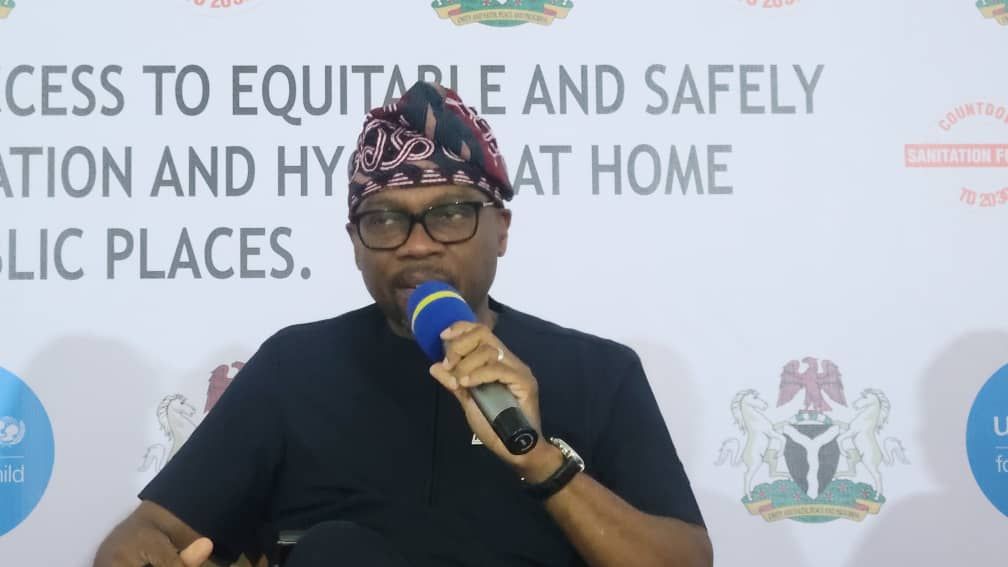
Oyetola Oduyemi, a Senior Director of Investor Relations and Sustainability with The END Fund, noted that the most affected people by NTDs are those at the bottom of the economic pyramid. She advocated for behavioral change and the involvement of more stakeholders to partner with the government in eradicating open defecation.
She disclosed that Nigeria stands to gain $18.9bn by 2030 if NTDs are eliminated and urged individuals to practice good hygiene.
On his part, Dare Oduluyi, the Sanitation and Hygiene Manager with the Water In Nigeria for Lagos program, called for clear rules and policies by the government that would enhance private sector participation in the campaign against open defecation.
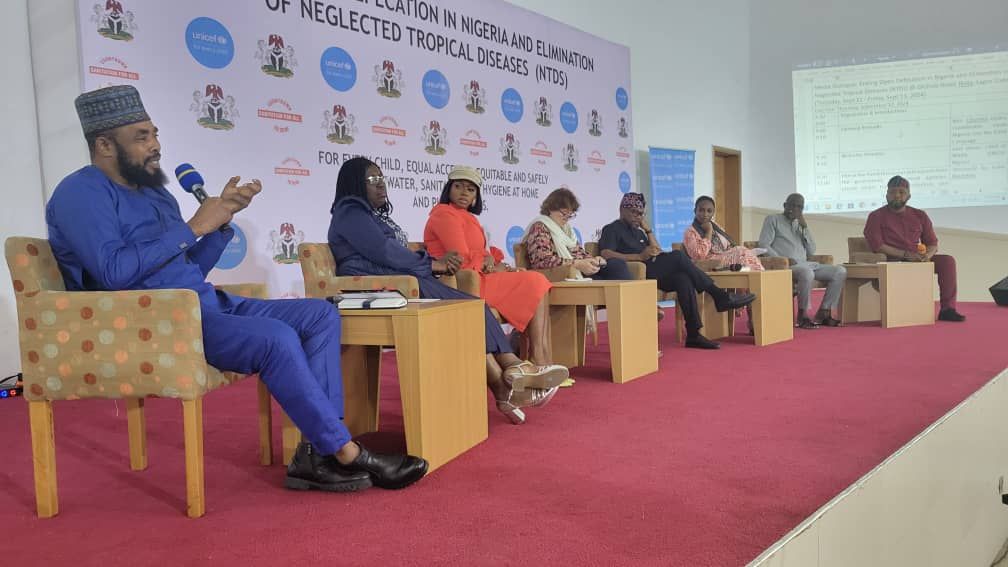
“The policy will provide an avenue for the private sector to have an enabling environment to invest in open defecation solutions. As sanitation workers, we will present to the private sector the magnitude of the problem, the huge market in the sanitation sector in Nigeria, the prospects, and opportunities. Once they see the opportunity, they will know how to turn it around innovatively,” he said.
 ..all about information services
Leave a Reply