
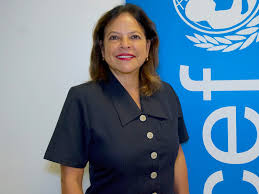
Technology can help bridge global gaps, particularly in Nigeria, by equipping young people with the right skills, job opportunities, and access to education. This preparation is essential for them to adapt to a changing world and to drive Nigeria’s economic and social development.
Above was the submission of the UNICEF Representative in Nigeria, Ms. Christian Munduate in her message to mark the International Youth Day celebration in Nigeria on Monday, August 12th, 2024.
The UNICEF Nigeria Representative emphasized the need for young people to be empowered, creative, resilient, and well-prepared to tackle both challenges and opportunities for progress in economic and social development to be realized.
Addressing the theme of this year’s celebration: “From Clicks to Progress: Youth Digital Pathways for Sustainable Development”, Munduate affirmed that young people are vital to sustainable development and the future. She urged stakeholders and decision-makers to support young people in Nigeria by investing in digital technology.
According to her, with a large youth population facing unmet needs, particularly in education, technology can play a crucial role in bridging the gaps and accelerating progress toward sustainable development.
To support youth in Nigeria, she stressed the need for the government and educational institutions to prioritize investment in technology and education as many schools, especially in rural areas, lack basic digital infrastructure like computers and reliable internet.
Munduate noted that providing Nigerian youth access to technology and education is essential due to its long-term benefits, including easier access to learning platforms and job opportunities.
Speaking on the role of the social media, she averred that social media also plays a crucial role in youth development by spreading information and opportunities widely, enhancing digital learning, and accelerating the impact of educational initiatives.
She, however, cautioned youth on the use of social media platforms according to ethics and avoid using it for purposes that do not necessarily contribute to peace, democracy and sustainable development.
She used the medium to highlight some initiatives of the UNICEF in Nigeria that are designed to transform and empower youths through digitilisation. Some of these initiatives include GenYouth, which she described as a public private sector partnership.
“it came as an idea while we had the UN youth policy 2030, and this began in 2018. We launched the GenU initiative (Generation Unlimited), in Nigeria and it is mainly to support young people between 10 years and 24 years in terms of strengthening their skills, expand their learning, preparing them to apply for employment or engaging with opportunities with the private sector partners to have an opportunity for a job.
“So GenU basically is looking to engage 20 million young people by 2030, up to today as I speak we have managed to engage 6.2 million young people, young Nigerians in the platform.
“We also have another platform that is called U-reporting, the U-report is a way where it’s a tool where young people can impress themselves, they can participate, they create forums, they are also requested to provide their opinions in certain areas of their development so they can express and participate in decisions that concern their own development”.
 ..all about information services
Leave a Reply