
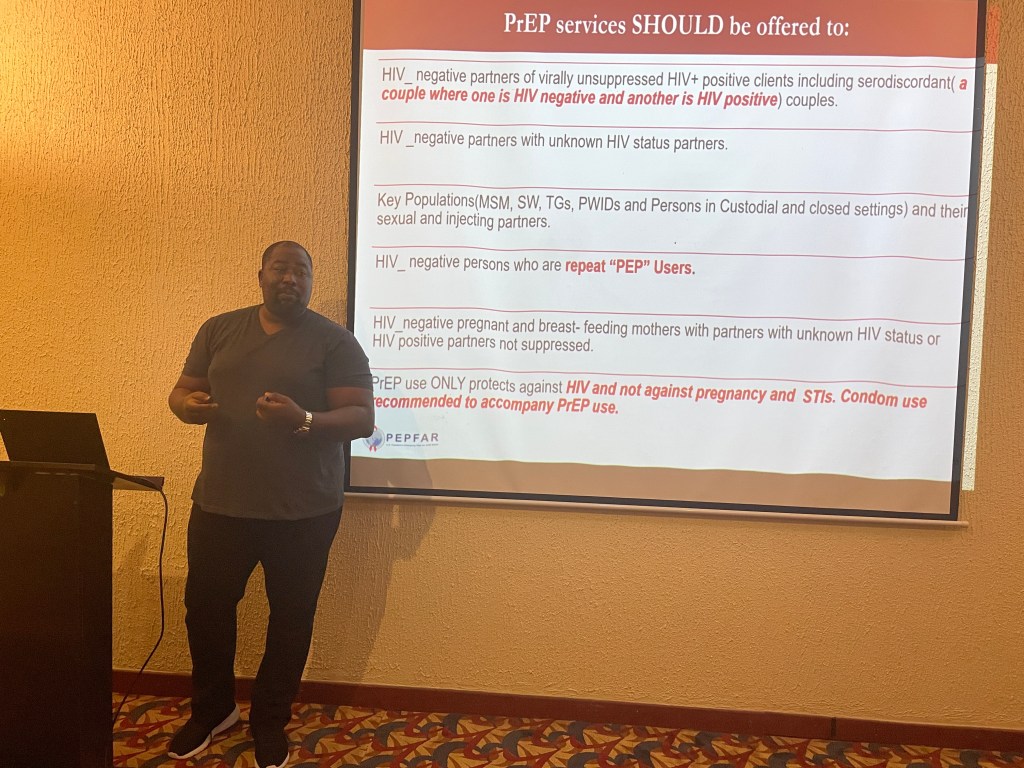
As part of preventive measures against HIV in Nigeria, the United States President’s Emergency Plan for AIDS Relief (PEPFAR) has announced plans to begin the pilot implementation of CAB-LA at selected sites in Lagos starting August 2024.
CAB-LA, a new innovation in Pre-Exposure Prophylaxis (PrEP) for HIV prevention, has been clinically identified as the most effective method to date.
This information was shared by Dooshima Okonkwo of PEPFAR Nigeria during a recent media training on HIV response for journalists from various media organizations across the Southern States of Nigeria, held in Lagos.
Okonkwo emphasized the importance of Prevention of Mother-To-Child Transmission (PMTCT) as a crucial method to reduce HIV prevalence, noting that most children under 15 contract the disease at birth. He outlined four strategic pillars for achieving PMTCT: primary prevention of HIV infection in women of reproductive age and their partners, prevention of unintended pregnancies among HIV-positive women, prevention of HIV transmission from HIV-positive mothers to their infants, and providing appropriate treatment, care, and support to HIV-positive mothers, their infants, and families.
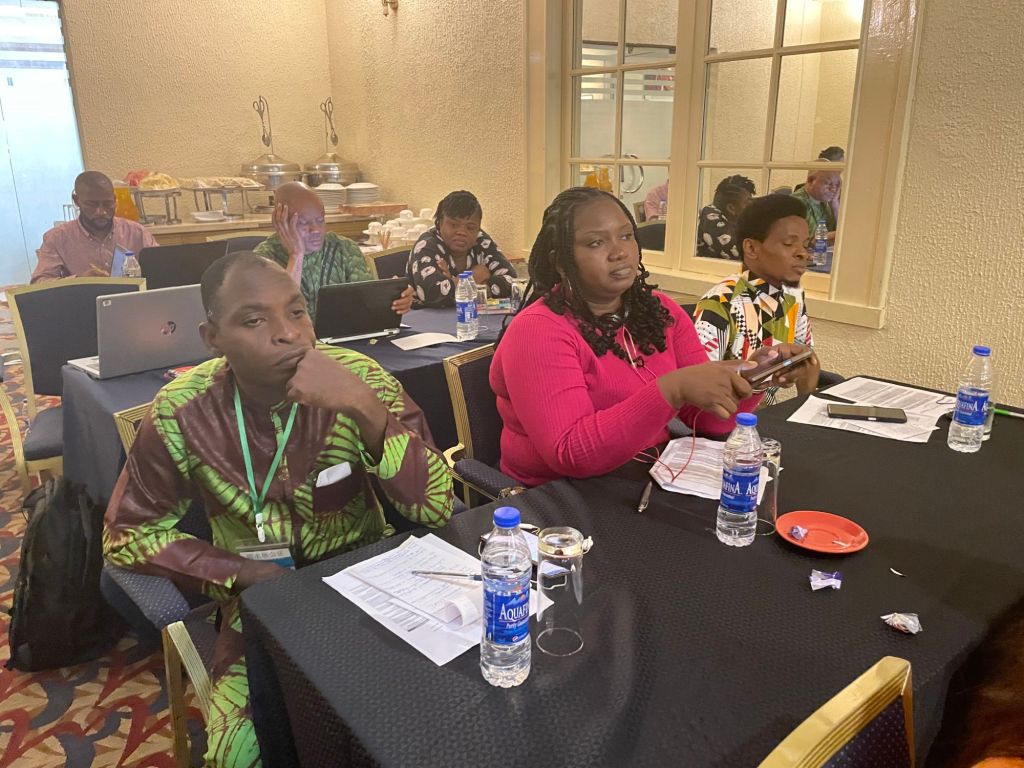
Okonkwo also highlighted that HIV-positive individuals who wish to have children can have HIV-negative offspring if they follow the guidance of their healthcare providers.
In a global AIDS update for 2023, Dr. Murphy Akpu, an advisor with UNAIDS, reported significant progress in the HIV response. He noted that 29.8 million (76.4%) of the 39 million people living with HIV (PLHIV) globally are now receiving life-saving treatment. Dr. Akpu contrasted this with the situation two decades ago when the global AIDS pandemic seemed unstoppable, with over 2.5 million new HIV infections and two million AIDS-related deaths each year. He pointed out that access to antiretroviral therapy (ART) has greatly expanded in sub-Saharan Africa, Asia, and the Pacific, home to about 82% of all PLHIV. If the current pace of ART access continues, the world is on track to meet global targets by 2025.
Regarding the 95-95-95 targets, Dr. Akpu stated that by 2022, 33.6 million people living with HIV knew their status, 29.8 million were on treatment, and 27.7 million had achieved viral suppression. This represents a significant improvement compared to 2015, when only 25.1 million knew their HIV-positive status, 16.9 million were on treatment, and 14 million were virally suppressed. The 95-95-95 targets aim to ensure that by 2030, 95% of people living with HIV know their status, 95% of those who know their status are on ART, and 95% of those on treatment have suppressed viral loads.
Despite a global viral suppression rate of 71% in 2022, UNAIDS revealed that adolescent girls and young women (AGYW) aged 15-24 remain at high risk of HIV, with 210,000 new infections reported in 2022. Long-standing gender inequalities, discrimination, and poverty increase their risk, particularly in sub-Saharan Africa where HIV prevalence among AGYW is more than three times higher than among their male counterparts. Dr. Akpu stressed the need for HIV programs to improve access to HIV and sexual and reproductive health services for these groups.
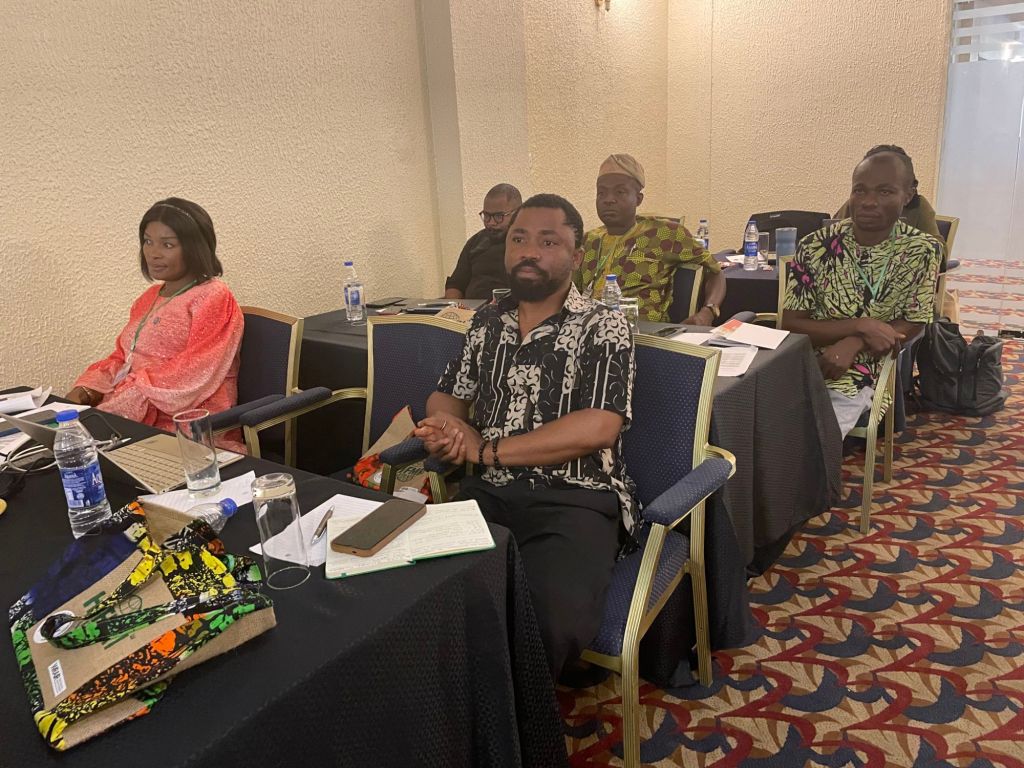
Dr. Mercy Morka from the National AIDS and STDs Control Programme (NASCP) provided an overview of HIV treatment basics and highlighted the importance of Differentiated Service Delivery (DSD) in addressing HIV prevalence among key populations, including female sex workers, men who have sex with men (MSM), people who inject drugs (PWID), transgender people, and incarcerated individuals. She described DSD as a client-centered approach that simplifies and adapts HIV services to better serve individual needs and reduce the burden on the health system. DSD aligns with the clinical status and preferences of PLHIV and is crucial for achieving the 95-95-95 targets.
Speaking on HIV and human rights, Dr. Lucas Koyejo, Lagos State Coordinator and Director of the Human Rights Commission, emphasized a human-rights-based approach to HIV response. He underscored the importance of promoting and protecting human rights as central to an effective HIV response. Dr. Koyejo highlighted the rights of people living with HIV, including the right to life, freedom of expression, freedom from torture and cruel treatment, non-discrimination, equality before the law, work, liberty and security of the person, health, free movement, and education. He noted that under the Anti-Discrimination Law of 2024, there are penalties for individuals who discriminate against or stigmatize PLHIV, including punishment for disclosing an individual’s HIV status without cause.
Credit: Mary Agidi
 ..all about information services
Leave a Reply