
..targets about 14million unregistered children in 2024
The United Nations Children’s Fund (UNICEF) has emphasized the need for e-birth registration to establish a reliable Civil Registration System in Nigeria. This system aims to generate essential data for effective planning and policy implementation, positively impacting the lives of Nigerian children.
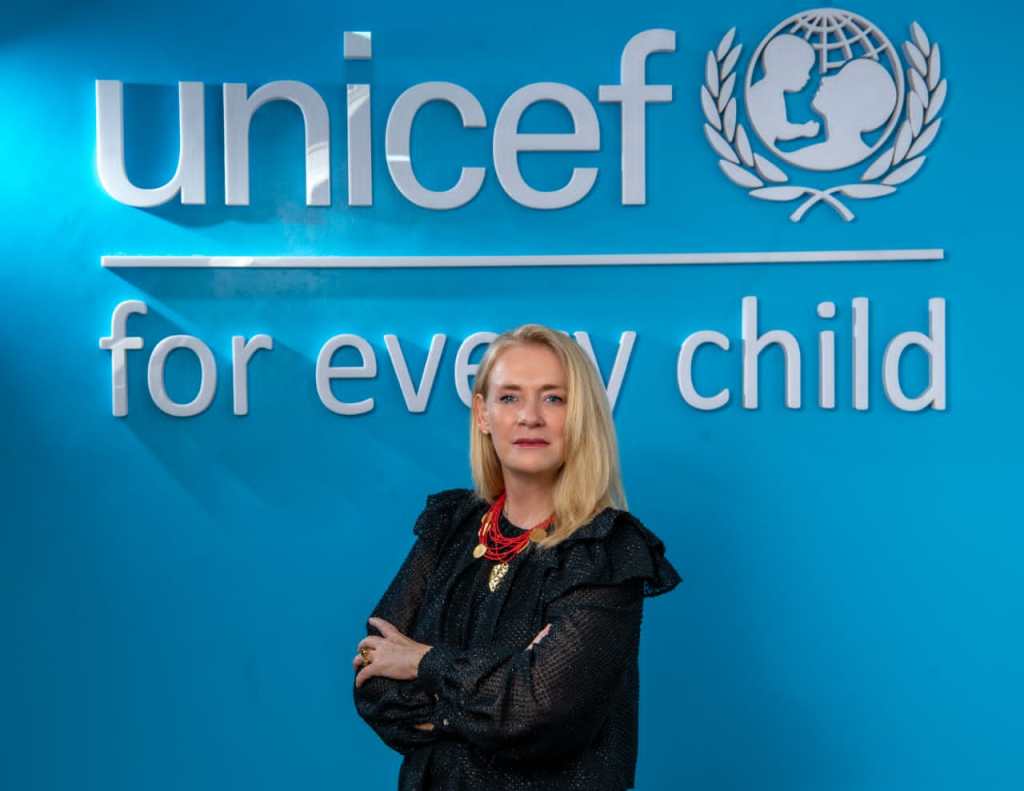
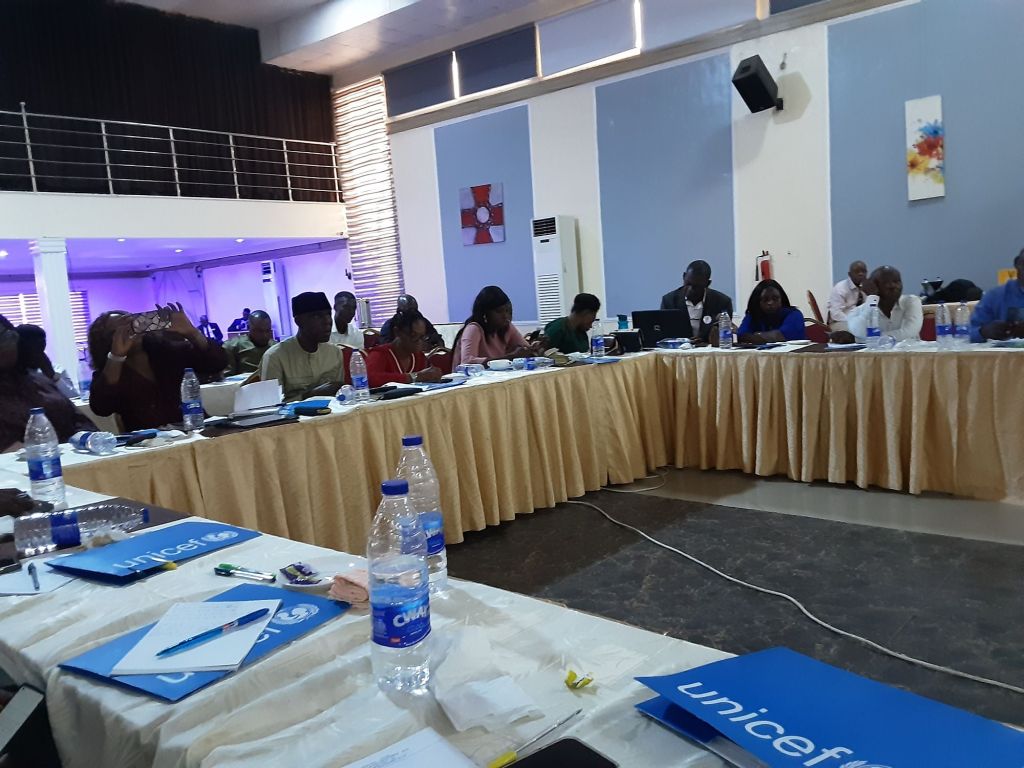
UNICEF Chief Officer for Southwest Nigeria, Céline Lafourrière, highlighted this in her opening remarks at a media dialogue on e-birth registration. The event, held in Lagos, was organized by the Lagos State Ministry of Youth & Social Development in collaboration with the National Population Commission (NPoPC) and UNICEF. The dialogue included journalists from across the Southwest and Edo states.
Lafourrière described e-birth registration as a formidable opportunity and a game-changer, providing a faster, more reliable, and more efficient birth registration process. She noted that it eliminates the issue of geographical distances that often prevent parents from registering their children.
According to Lafourrière, birth registration is a fundamental right for every child, making them visible and key to building an inclusive society. She affirmed that registered children have access to basic services such as protection, healthcare, and education.
“UNICEF is strongly committed to supporting the federal and state governments in driving birth registration throughout Nigeria so that no child is left behind,” she added.
The Lagos State Director of NPoPC, Bamidele Sadiku, emphasized the importance of e-birth registration for ensuring procedural documentation in Nigeria. He highlighted its role in providing legal identity to all and eradicating double registration.

Sadiku added that e-birth registration aims to establish a standardized procedure for integrating the National Population Commission’s Civil Registration and Vital Statistics System (CRVS) with the National Identity Management Commission process. This integration ensures that a child who is electronically registered automatically receives a National Identity Number.
In his lecture titled “Legal Identity for All and Scaling Up Free Birth Registration in Nigeria,” UNICEF Child Protection Specialist Dennis Onoise disclosed that out of the 164 million unregistered children globally, more than half live in Africa, representing 56% of unregistered children under five years (U-5).
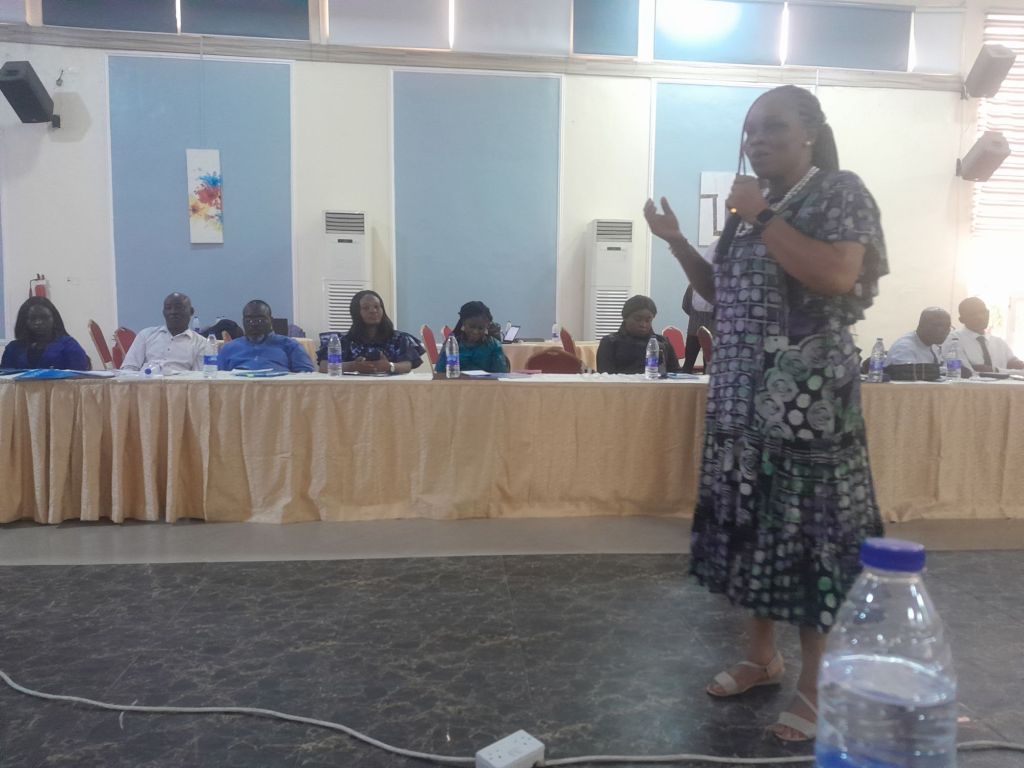
Onoise revealed Nigeria’s birth registration targets for 2024: to capture over 9 million U-5 children and over 4 million U-1 children. He added that 24 states already have decentralized digitalized civil registration and birth registration for 2023.
He further revealed that 5,690 health facilities have interoperability between the health system and CRVS, with 86% of U-5 children and 50% of U-1 children registered with a civil authority in 2023.
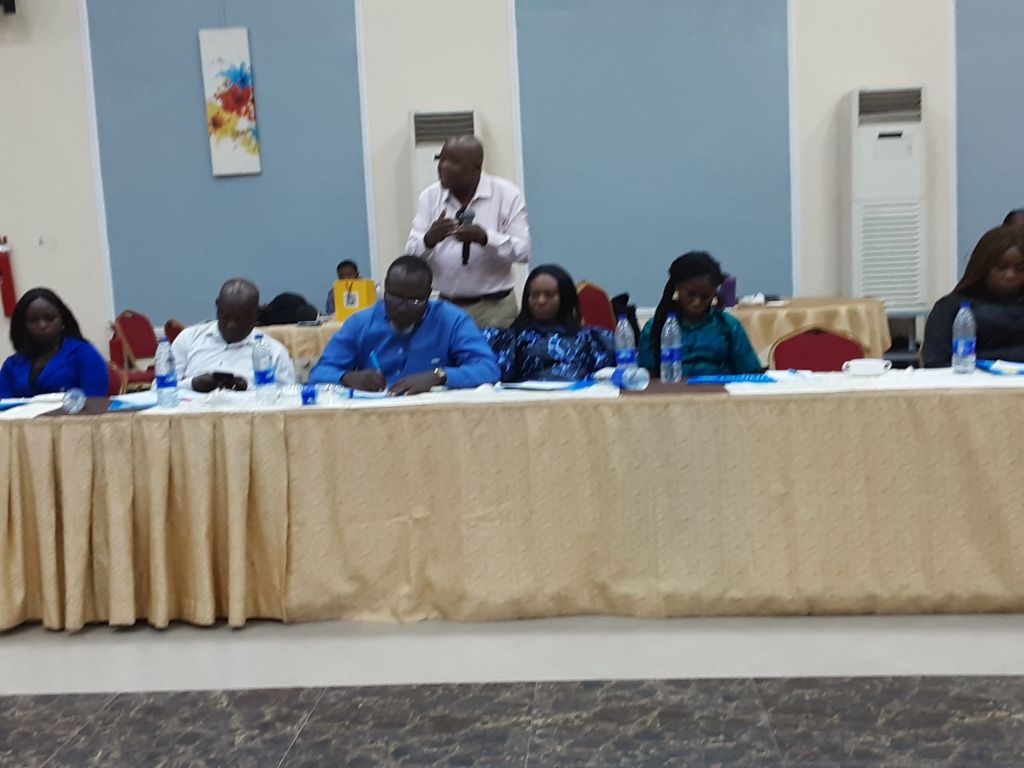
The UNICEF Specialist announced the flag-off of e-birth registration in five Southwest states by the end of July, targeting 174,423 in Ondo, 133,276 in Ekiti, 304,058 in Oyo, 151,317 in Osun, 411,256 in Lagos, and 172,516 in Ogun.
 ..all about information services
Leave a Reply