

By Mary Agidi
Over 10 years ago, the rate at which information about the Human Immunodeficiency Virus (HIV) epidemic occupied the media space in Nigeria portrayed it as a death sentence, causing untold fear and panic among Nigerians.
The fear of being infected with the disease, fueled by how HIV/AIDS was depicted by Nigerian media organizations back then, undoubtedly promoted preventive lifestyles to a certain extent, even though discriminatory languages were used to disseminate information about the disease.
Government at all levels, civil society organizations, and various stakeholders intensified efforts against the disease. However, efforts and resources committed to HIV/AIDS gradually subsided as if the disease had been defeated.
Concurrently, the media’s engagement in the HIV response has also diminished considerably, pushing HIV issues to the periphery of public discourse.
In response to this decline in HIV response, the United States President’s Emergency Plan for AIDS Relief (PEPFAR) in Nigeria, through its partner HJFMRI Lte Gte, in collaboration with Journalists Against AIDS (JAAIDS) and LivingHealth International, organized a five-day residential training for senior journalists and editors from diverse media platforms across the Southern States of Nigeria at the Sheraton Hotel, Lagos State.
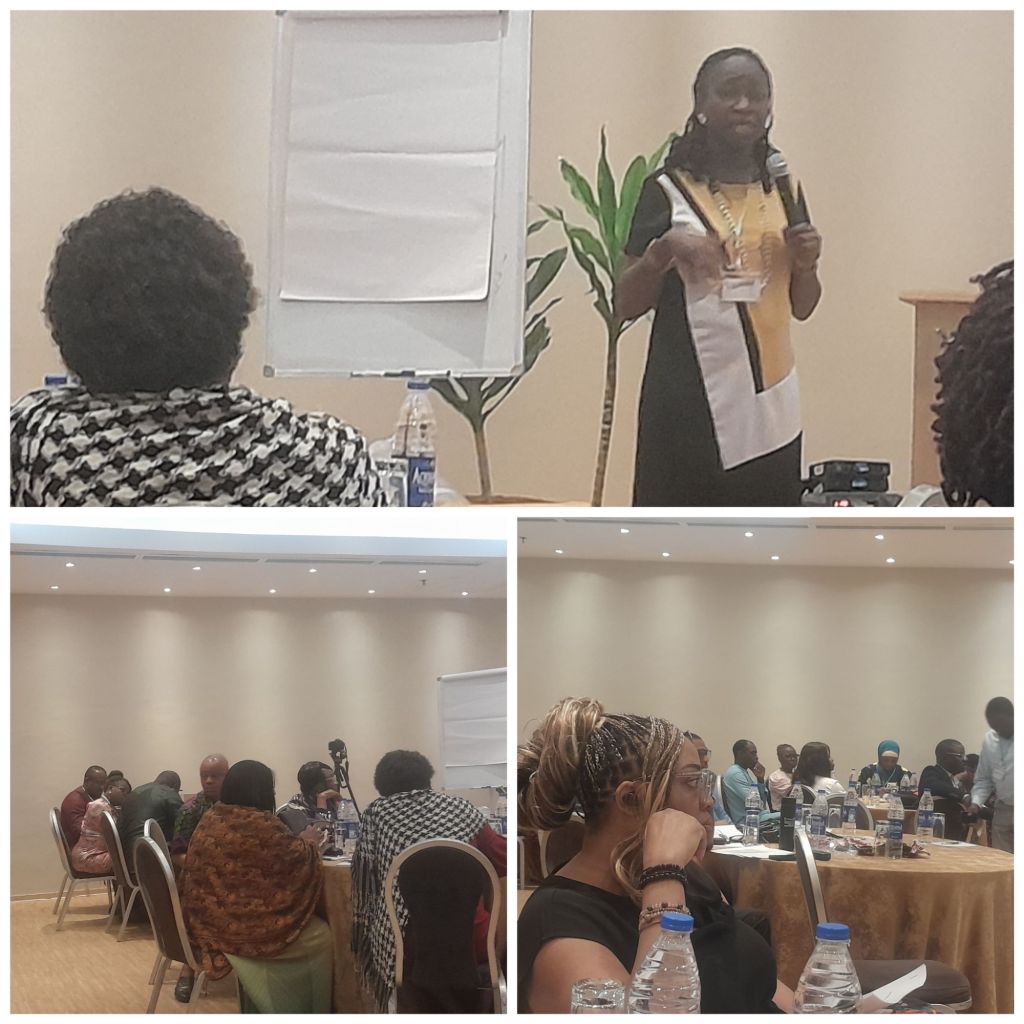
Explaining the rationale and aims of the training, the Executive Director of JAAIDS, Mrs. Olayide Akanni informed that the training was purposefully organized to equip participants with updates on the HIV/AIDS response, expose them to acceptable terminologies in reporting HIV, and foster a community of practice among media professionals involved in the HIV program.
She hinted that one reason for the decline in media engagement in the HIV response in recent years is that many journalists trained between 2000 and 2010 were no longer active in journalism. Some have retired, died, or attained higher career levels, and new entrants to the media space now have limited information about current trends in the HIV response, hence, the need to recruit new intakes to join the advocacy.
Addressing participants, the PEPFAR’s Country Director, Funmi Adesanya, who was represented by the organisation’s Communications and Small Grants Assistant, Nnenna Onyemaobi, underscored the role of journalists in the HIV response, describing the media as a powerful tool for change.
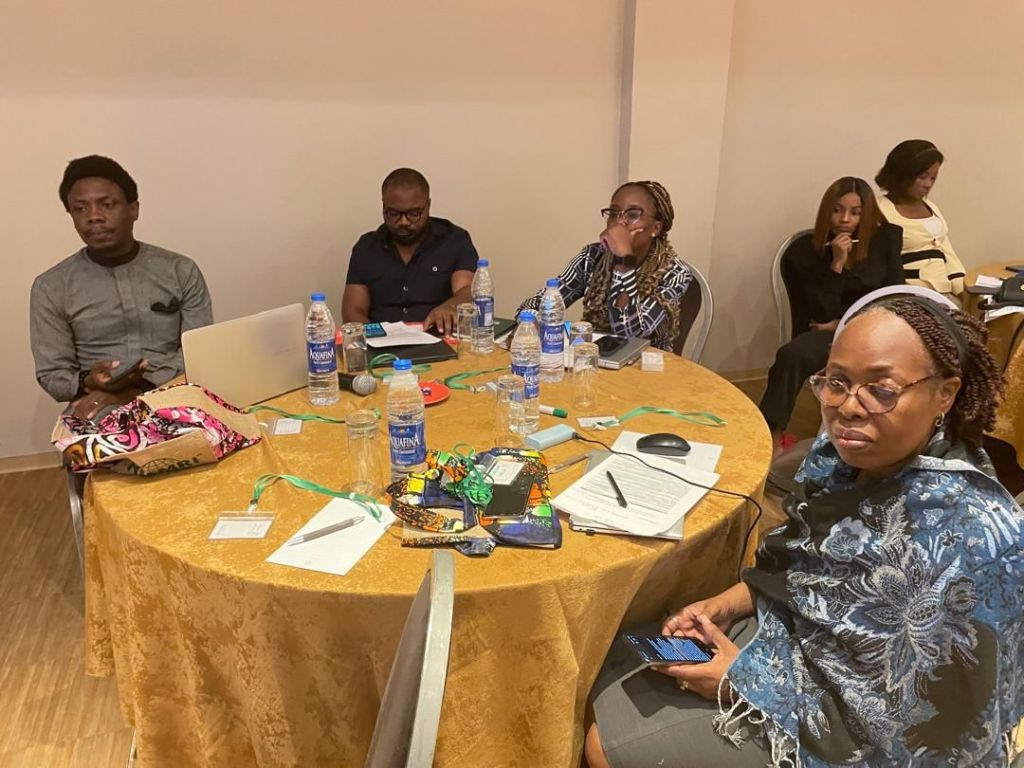
The speech as read by her: “Your voices can shape public perception, influence policy, and drive social transformation.
“As journalists, you have the responsibility to report on HIV with accuracy, sensitivity, and compassion. Your stories can educate the public and promote a culture of acceptance and understanding.”
Highlighting the efforts of PEPFAR to end the HIV epidemic in Nigeria, the Coordinator reiterated the organization’s commitment to reducing new infections, increasing access to antiretroviral therapy, and improving the quality of life for those living with HIV.
“Together, we stand united in our mission to end HIV in Nigeria and to ensure a future free from the burden of this epidemic. Since its inception, PEPFAR has been at the forefront of the global response to HIV and AIDS, providing life-saving treatment, prevention, and care services to millions of people in the country.”
Adesanya expressed optimism about achieving the desired results in the HIV response through strong partnerships with the government of Nigeria, civil societies like JAAIDS, and communities, saying, “It is essential that we leverage this power to combat stigma and discrimination against people living with HIV.”
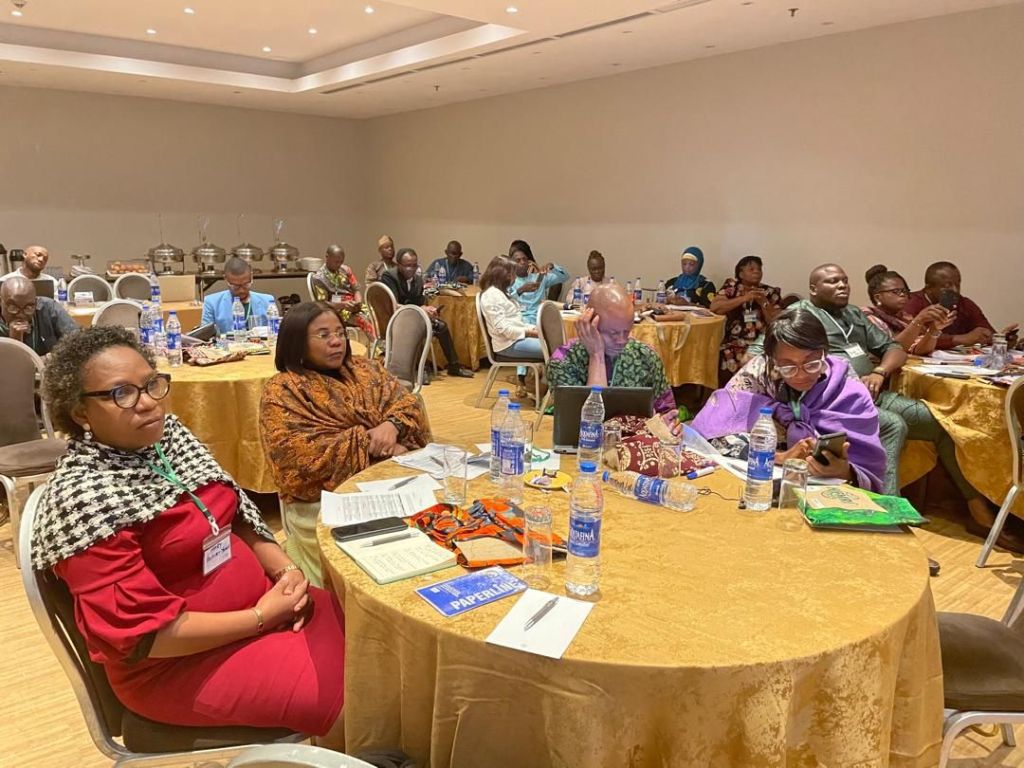
According to PEPFAR, the problem with HIV in Nigeria centres on stigmatization and discrimination against those living with the disease, noting that stigma remains one of the most significant barriers to ending the HIV epidemic in Nigeria.
PEPFAR states that stigmatization prevents individuals from seeking testing, treatment, and support due to fear and misinformation, and therefore, enjoined journalists and media organizations to advocate for the rights and dignity of people living with HIV.
“Highlight their stories, celebrate their resilience, and challenge the stereotypes that perpetuate discrimination. By doing so, you contribute to creating an environment where everyone feels safe to access the services they need without fear, judgment, and rejection,” she advised.
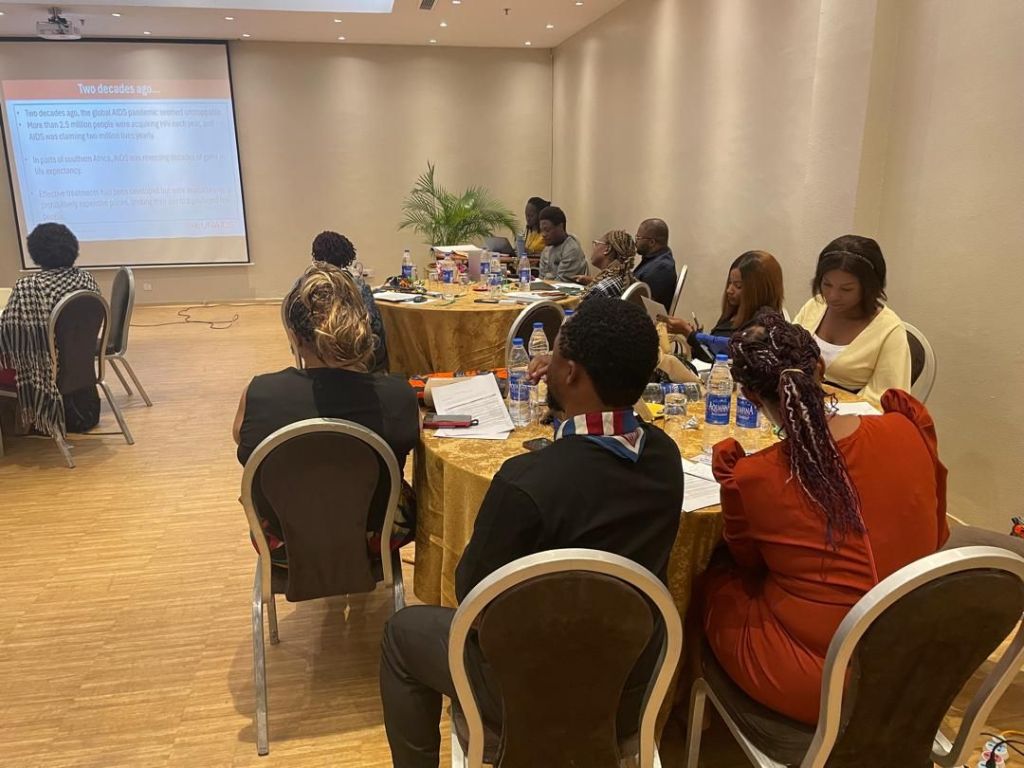
Assuring the Nigerian media of PEPFAR’s support in their quest to champion the HIV response, the Country Coordinator emphasized the need to disseminate evidence-based and accurate information about the disease.
“Misinformation can have devastating consequences, leading to fear and stigma.
“Let us remember that ending HIV in Nigeria is not just a medical challenge; it is a social and moral one. All of us should come together to fight and contribute. By working together, we create a future where HIV is not seen as an alien, and HIV status should not define you,” she concluded.
The training captured several topics , delivered by experts who are involved in the HIV response programmes, from UNAIDS, HJF, NACA, PEPFAR, Human Rights Commission, NASCP, and Private Health Organisations.
It featured some members of the Network of People Living with HIV and AIDS, NEPWHAN, who shared their lived experiences about stigma and how they defeated it.
 ..all about information services
Leave a Reply