
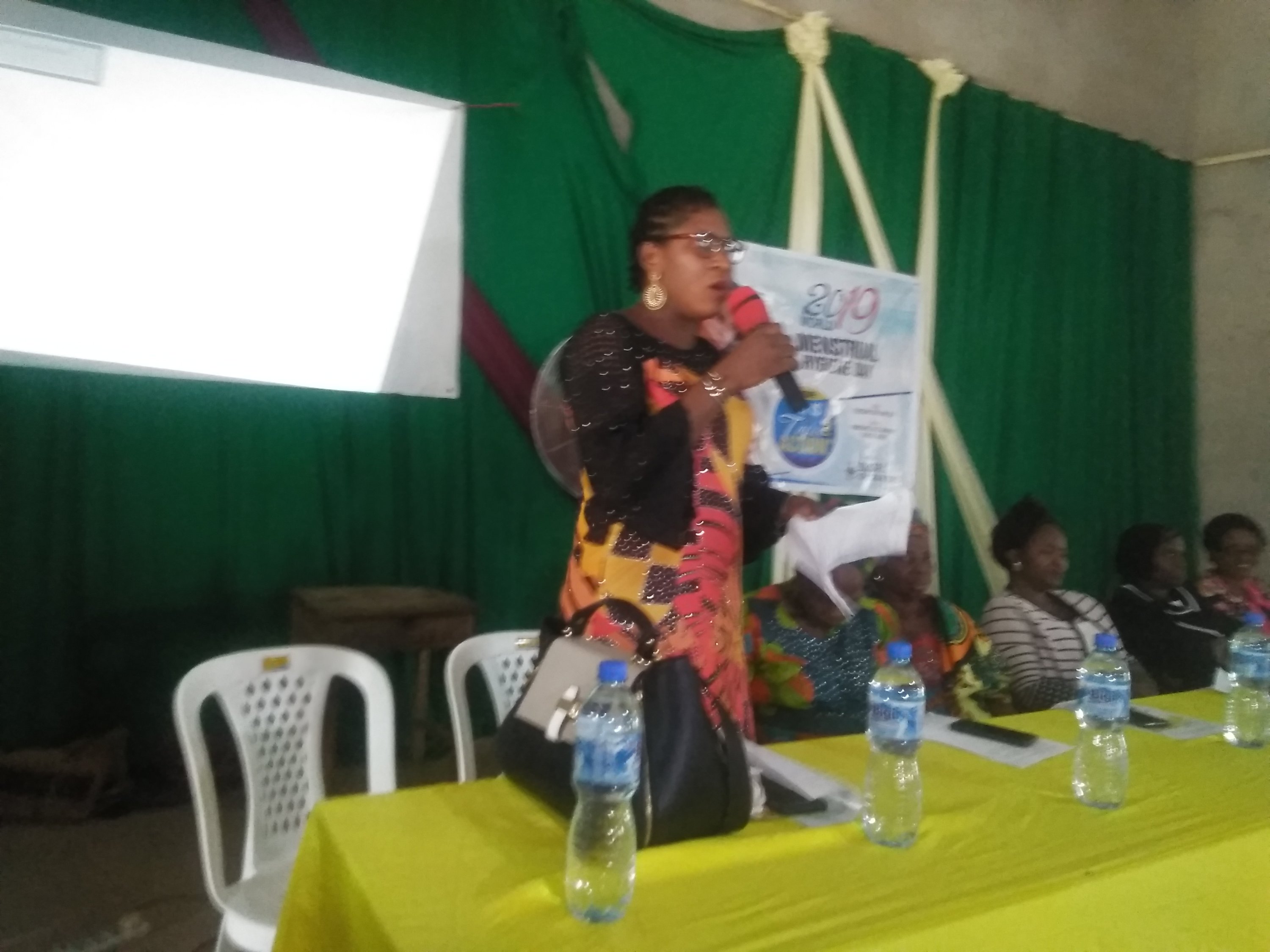
Ondo State Association of Women Journalists, NAWOJ, has appealed to governments at all levels to either subsidise the price of sanitary pads or make it a free distribution affairs for our young secondary schools girls in order to achieve menstrual hygiene management in the society.
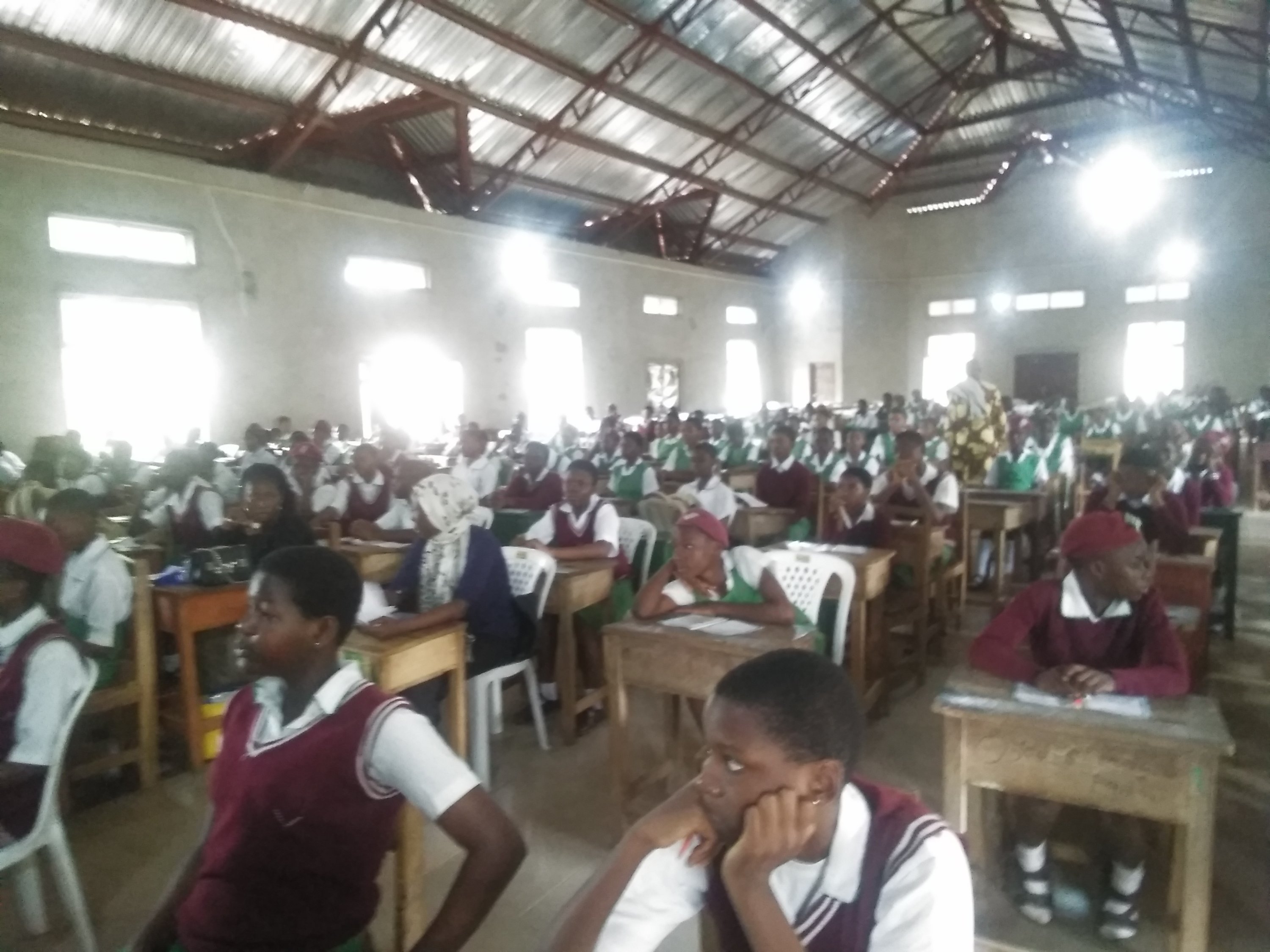
The Vice-chairman of the association, Mrs. Doris Olumoko made the call yesterday at Fiwasaye Girls Grammar School, during a sensitisation programme organised by Blissful Christian Home to mark year 2019 World Menstrual Day.
World Menstrual Day was created by a German-based NGO, WASH United in 2014 to be celebrated every 28th day of May to promote Menstrual Hygienic Management and to help break the silence and build awareness about the fundamental role that good menstrual hygiene plays in enabling women and girls to reach their full potentials.
According to Olumoko, the use of pieces of clothes and tissue paper are unhygienic and can lead to life threatening infection, hence the reason why sanitary pads should be made affordable for the young girls.
“What Ondo NAWOJ is saying on today’s occasion of World Menstrual Day is that we are making a passionate appeal to government and philanthropists to subsidise the price of sanitary pads.
“Sanitary pads are supposed not to be expensive, they are supposed to be what every young girl can walk into the shop and pick.
“Apart from subsidising it, they can also get it free. How much is sanitary pad? government and other health institutions should purchase it in large numbers and go to the secondary schools and distribute to them free of charge, so that they won’t have the risk of using rags or tissue paper which are not hygienic; it is time for action”, she said.
The NAWOJ Vice-chairman therefore called to mothers and caregivers to start giving their girls adequate and early education about menstrual hygiene, teaching them not to be ashamed of the development.
She added: “We are talking about attaining menstrual health hygiene, if from the home front, mothers educate their girls by telling them what to do about their reproductive organs because private part needs to be made clean in order to avoid infections; there are infections that could lead to infertility for life, if we start educating them on time, we will avoid that”.
A guest speaker at the event, Mrs. Moji Fatunla said it is high time we started advocacy for menstrual hygiene, saying government cannot do it alone.
She emphasised the need for girls to be able to manage menstruation safely, hygienically with confidence without shame.
The health expert condemned the use of clothes, tissue paper and cotton wool menstruation, saying every female individual has peculiar health needs that are exclusive to them due to their unique anatomy and physiology, hence the need for safety measure while menstruating to prevent infection.
She noted that menstruation should not be preceded by some painful symptoms , saying it is imperative for girls to take of themselves to guide against health challenges in the area of reproduction.
Earlier, the organiser of the programme, Mrs. Esther Ayo-Oladapo,noted that the menstrual Hygiene day is set aside to promote Menstrual Hygienic Management and to help break the silence and build awareness about the fundamental role that good menstrual hygiene plays in enabling women and girls to reach their full potentials.
“It catalyses a growing, global movement for good family living. It also creates opportunities for advocacy for the integration of menstrual hygiene into global, national and local policies, programmes and projects.”, She said.
The wife of the State Chairman of the Christian Association of Nigeria, CAN, emphasised the need for women to be given correct washing facilities, while the young girls are given the correct educational materials regarding the changes which will occur in their bodies.
This year celebration has as its theme, ‘it’s time for Action’ featuring donation of sanitary pads to the management of Fiwasaye Girls Grammar school.
 ..all about information services
Leave a Reply